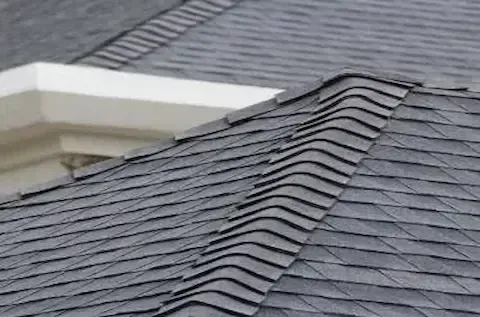
Architectural Shingle Grades Compared Maple Grove MN
Not all architectural shingles are the same, and in Maple Grove, that distinction matters more than in most places. Minnesota winters push roofing materials through freeze-thaw cycles, high winds, and heavy snow loads that quickly reveal quality differences between grades. When you're comparing options for your home, understanding what separates entry-level architectural shingles from mid-grade and premium products will help you make a decision that holds up for decades rather than years.
What Makes a Shingle "Architectural"
Architectural shingles - also called dimensional or laminate shingles - are a step above three-tab shingles in both construction and performance. They're made by bonding two or more layers of asphalt-saturated material together, which creates the textured, multi-dimensional appearance that mimics wood shake or slate at a fraction of the cost. That layered construction also adds meaningful structural mass, making them heavier and more resistant to wind uplift and impact than flat three-tab shingles.
What separates one architectural shingle from another comes down to four factors: weight per square (100 square feet), wind resistance rating, impact resistance class, and warranty length. These four variables track closely with price and are the clearest way to compare grades side by side.
Entry-Level Architectural Shingles
Entry-level architectural shingles typically weigh between 215 and 240 pounds per square. They carry a wind resistance rating of 60 to 80 mph and manufacturer warranties that range from 25 to 30 years — though the transferable and workmanship components of those warranties are often limited to the first five to ten years. Impact resistance at this grade is generally not rated, meaning they haven't been tested or certified against hail damage. For a Maple Grove homeowner on a tighter budget, entry-level architectural shingles are a significant upgrade over three-tab products on any roof with adequate pitch and good ventilation. They are not a low-slope product - anything under a 4:12 pitch needs enhanced underlayment, and below 2:12 a shingle system should not be used at all in favor of a membrane. Garages, additions, and townhome sections in that range fall under flat and low-slope roofing rather than shingle replacement. The concern in Minnesota is longevity under repeated freeze-thaw stress. Lighter shingles absorb more thermal movement, and after several harsh winters, granule loss and cracking at tab edges become more likely in products at this grade.
Mid-Grade Architectural Shingles
Mid-grade architectural shingles are where most Maple Grove homeowners land when balancing cost against long-term performance. These products typically weigh between 240 and 300 pounds per square, carry wind ratings between 110 and 130 mph, and come with 30-year to lifetime manufacturer warranties with longer transferable coverage windows.
Many mid-grade shingles carry a Class 3 impact resistance rating under UL 2218 standards, and some qualify for Class 4 — the highest available. In Hennepin County, where hail storms are a recurring seasonal event, having Class 3 or Class 4 rated shingles can reduce your homeowner's insurance premium meaningfully. It's worth calling your insurer before selecting a product, because the discount often offsets the price difference between entry-level and mid-grade over the life of the roof.
Brands in this tier include GAF Timberline HDZ, Owens Corning Duration, and CertainTeed Landmark Pro. These are widely available through local roofing contractors and represent the most common installation choice on Maple Grove homes built or re-roofed in the last decade.
Premium Architectural and Designer Shingles
Premium shingles — sometimes marketed as "designer" or "luxury" architectural shingles — weigh 300 pounds per square and above. They include products like GAF Camelot II, Owens Corning Berkshire, and CertainTeed Grand Manor. These shingles have the most realistic slate or wood shake profiles and carry true lifetime warranties with longer full-coverage periods and stronger transferability terms.
Wind ratings at this tier often reach 130 mph and higher, with some products rated to 150 mph. Class 4 impact resistance is standard at this grade. The additional weight means these shingles require a structurally sound deck and adequate attic ventilation to prevent moisture buildup — factors a qualified contractor will assess before installation.
The case for premium shingles in Maple Grove is straightforward: if you're planning to stay in your home long-term, the lower likelihood of mid-life repair, stronger warranty coverage, and better resistance to Minnesota's climate extremes justify the higher upfront cost. Premium shingles also add curb appeal that can matter when selling in a competitive northwest metro market.
Wind and Impact Ratings Specific to Minnesota
Minnesota's climate creates specific demands that make wind and impact ratings more than just marketing numbers. The Twin Cities metro area, including Maple Grove, sits in a zone that sees periodic derecho events and spring hail storms that can strip granules from lower-rated shingles in a single afternoon. The Minnesota Department of Labor and Industry building code requires shingles to meet minimum wind resistance standards, but those minimums are a floor, not a target.
For most residential roofs in this area, a wind rating of at least 110 mph is a practical baseline. If your home is in an exposed location near open fields or water — common in parts of Maple Grove near Elm Creek Park Reserve or Rush Creek — moving to a 130 mph rated product adds meaningful protection without a dramatic price jump. Where a roof drops below 4:12, wind rating stops being the deciding factor and the assembly itself has to change.
Impact resistance matters because insurance claims for hail damage are the single most common roofing claim type in Hennepin County. A Class 4 rated shingle won't prevent hail damage entirely, but it significantly reduces the severity of granule loss and cracking from storms that would visibly damage lower-rated products.
Warranty Comparison Across Grades
Reading shingle warranties carefully before purchasing is worth the time. A "lifetime" warranty doesn't mean lifetime coverage — most are prorated after the first 10 to 15 years, meaning the manufacturer's reimbursement percentage drops significantly after that window. The differences between grades show up most clearly in three warranty components:
Workmanship coverage: How long installation defects are covered — ranges from 2 years at entry level to 25 years at premium.
Transferability: Whether the warranty transfers to a new owner if you sell, and how many times — premium products typically allow one full transfer.
Wind warranty period: The number of years the manufacturer will cover wind damage — often only 5 to 10 years at entry level, 15 to lifetime at premium.
For Asphalt Shingle Installation in Maple Grove, the grade you choose directly affects what's covered and for how long — make sure your contractor walks you through warranty specifics before any product decision is finalized.
Choosing the Right Grade for Your Maple Grove Home
Your decision should start with a realistic assessment of how long you plan to stay in the home, your insurance situation, and the condition of your current roof deck and ventilation. A roof with excellent ventilation and a solid deck will get more life out of any shingle grade. A poorly ventilated attic will shorten the lifespan of even a premium product.
If you're planning a near-term sale, mid-grade architectural shingles with a Class 3 or Class 4 impact rating offer the strongest combination of cost efficiency and buyer appeal. If you're planning to stay long-term, premium shingles typically deliver better value when total cost — including avoided repairs and insurance savings — is calculated over 20 or more years.
Before you commit to a product, check out this install scheduling rundown to understand what the installation process looks like from start to finish, so there are no surprises once work begins.
The grade comparison ultimately comes down to matching the product's rated performance to the actual conditions your roof will face. In Maple Grove, those conditions favor heavier, higher-rated shingles more than the entry-level category can reliably deliver.
