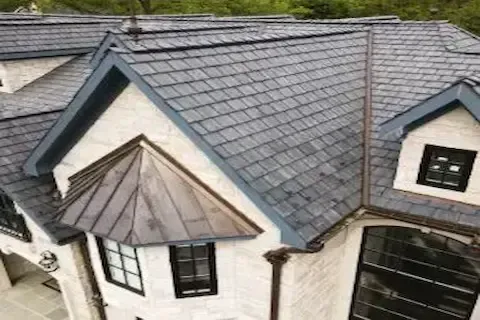
Class 4 Impact-Resistant Shingles in Maple Grove MN
Understanding Class 4 Impact Resistance Standards
Class 4 impact-resistant shingles represent the highest level of protection available in residential roofing materials. The Underwriters Laboratories (UL) 2218 standard defines four classes of impact resistance, with Class 4 shingles withstanding impacts from two-inch steel balls dropped from 20 feet without cracking or splitting. This certification means your roof can handle hailstones up to two inches in diameter, which covers the vast majority of hail events that occur in the Twin Cities metro area.
The testing process involves multiple impacts at various temperatures to simulate real-world conditions. Manufacturers must demonstrate that their shingles maintain structural integrity under repeated strikes, ensuring long-term performance even after severe weather events. For Maple Grove homeowners, this level of protection translates to fewer roof repairs, extended shingle lifespan, and significant insurance premium reductions.
Minnesota's climate presents unique challenges for roofing materials. The combination of freeze-thaw cycles, high winds, and frequent hail storms throughout spring and summer months makes impact resistance particularly valuable in Hennepin County. Class 4 shingles undergo additional testing for cold weather performance, ensuring they maintain their protective qualities even during harsh Minnesota winters.
Hail Performance and Weather Protection
Minnesota experiences some of the most severe hail activity in the United States, with the Twin Cities metropolitan area ranking among the top regions for hail damage claims. Class 4 impact-resistant shingles provide superior protection against these weather events, significantly reducing the likelihood of granule loss, exposed mat, and subsequent water infiltration that commonly occurs with standard shingles.
The enhanced protection comes from specialized manufacturing techniques including reinforced mat construction, advanced polymer formulations, and impact-absorbing layers. These shingles distribute impact energy across a wider surface area, preventing the concentrated stress points that cause standard shingles to crack or puncture. During severe weather events, this technology means the difference between minor surface marking and costly roof replacement.
Beyond hail protection, Class 4 shingles offer improved resistance to wind damage, falling debris, and other impacts that commonly affect roofs in suburban areas. Tree branches, construction debris, and even maintenance activities pose less risk to these enhanced shingles, providing year-round protection for your Maple Grove home.
Insurance Benefits and Premium Reductions
Most major insurance carriers offer significant premium discounts for homes with Class 4 impact-resistant roofing systems. These discounts typically range from 10% to 35% annually on the dwelling portion of your homeowner's insurance policy, with some carriers offering additional benefits such as extended coverage periods and reduced deductibles for hail claims.
The insurance industry recognizes that Class 4 shingles dramatically reduce claim frequency and severity. Homes with impact-resistant roofing file significantly fewer weather-related claims, translating to lower risk profiles and corresponding premium reductions. For the average Maple Grove homeowner, these savings often offset the additional material costs within five to seven years.
Documentation requirements vary by carrier, but typically include proof of installation by a licensed contractor, manufacturer certification, and sometimes third-party inspection reports. Class 4 Impact-Resistant Shingles installations require proper documentation to qualify for insurance benefits, making professional installation essential for maximizing your investment.
Leading Manufacturers and Product Options
Several manufacturers produce Class 4 impact-resistant shingles suitable for Minnesota's climate conditions. GAF's Timberline ArmorShield II series offers excellent performance with advanced StrikeZone technology, while Owens Corning's Duration Storm shingles feature SureNail technology for enhanced wind resistance. CertainTeed's Northgate series provides superior granule retention and color stability in harsh weather conditions.
Each manufacturer employs different technologies to achieve Class 4 ratings. GAF uses a polymer-modified asphalt formulation with reinforced fiberglass mat construction. Owens Corning incorporates a specialized impact-resistant compound throughout the shingle structure. CertainTeed utilizes a proprietary polymer blend that maintains flexibility across temperature extremes while providing maximum impact protection.
Product selection should consider factors beyond impact resistance, including aesthetic preferences, warranty terms, and compatibility with existing roof systems. Many Class 4 shingles offer architectural styling that enhances curb appeal while providing superior protection. Color options have expanded significantly in recent years, allowing homeowners to achieve desired aesthetic goals without compromising performance.
Installation Considerations for Minnesota Climates
Proper installation of Class 4 impact-resistant shingles requires specialized knowledge and attention to manufacturer specifications. Minnesota's extreme temperature variations demand precise installation techniques to ensure optimal performance throughout the shingle lifespan. Improper installation can void warranties and reduce impact resistance effectiveness.
Temperature considerations during installation are critical in Hennepin County's climate. Shingles must be installed within specified temperature ranges to ensure proper sealing and adhesion. Cold weather installations require additional precautions, including controlled storage temperatures and modified installation procedures. Summer installations must account for thermal expansion and proper ventilation requirements.
Underlayment selection becomes particularly important with Class 4 shingles, as the enhanced impact resistance must be supported by appropriate secondary protection layers. High-quality synthetic underlayments provide superior moisture protection and temperature stability compared to traditional felt products. Ice and water shield placement in critical areas ensures comprehensive protection against Minnesota's harsh weather conditions.
Cost Analysis and Return on Investment
Class 4 impact-resistant shingles typically cost 15% to 25% more than standard architectural shingles, but this premium represents a sound investment when considering total cost of ownership. The combination of insurance premium reductions, extended lifespan, and reduced maintenance requirements often results in net savings over the roof's lifetime.
The initial investment varies based on roof complexity, chosen manufacturer, and local labor costs. For a typical Maple Grove home with 2,500 square feet of roof area, the additional cost for Class 4 shingles ranges from $2,000 to $4,000 above standard materials. This investment generates returns through multiple channels including insurance savings, avoided repair costs, and increased property value.
Financing options through roofing contractors and manufacturers can help homeowners manage upfront costs while immediately benefiting from insurance reductions. Many contractors offer payment plans specifically for impact-resistant roofing upgrades, recognizing the long-term value these systems provide to Minnesota homeowners.
Local Weather Patterns and Risk Assessment
Maple Grove's position in the northwest metro, along the Crow River and upper Mississippi corridor, creates local weather patterns that increase hail risk compared to areas further south. The combination of temperature differentials, moisture from nearby lakes, and topographic features contributes to frequent severe thunderstorm development during spring and summer months. These local conditions make impact-resistant roofing particularly valuable for area homeowners.
Historical weather data shows Hennepin County experiences significant hail events approximately every three to four years, with smaller hail occurring annually. The economic impact of these storms on local roofing systems demonstrates the value of proactive protection through Class 4 shingles. Neighborhoods throughout Maple Grove show clear patterns of roof damage following major hail events, with homes having standard shingles requiring extensive repairs or complete replacement.
Climate change models suggest increasing frequency and intensity of severe weather events in the Upper Midwest. This trend makes impact-resistant roofing not just a current protection strategy, but a forward-thinking investment in long-term property protection. this post-winter inspection checklist can help identify potential vulnerabilities before severe weather season arrives.
Professional Installation and Warranty Considerations
Class 4 impact-resistant shingles require installation by certified contractors to maintain warranty coverage and insurance benefits. Manufacturer certifications ensure installers understand specific requirements for each product line, including proper fastening techniques, ventilation requirements, and quality control procedures essential for optimal performance.
Warranty terms for Class 4 shingles often exceed standard shingle warranties, with many manufacturers offering 30 to 50-year coverage periods. These extended warranties reflect manufacturer confidence in product durability and provide additional value for homeowners. Understanding warranty requirements, including maintenance obligations and inspection schedules, ensures maximum protection throughout the coverage period.
Professional installation provides additional benefits beyond warranty compliance, including proper material handling, weather timing, and integration with existing roof systems. Experienced contractors understand local building codes, permit requirements, and best practices for Minnesota installations, ensuring your investment performs as intended throughout its lifespan.
