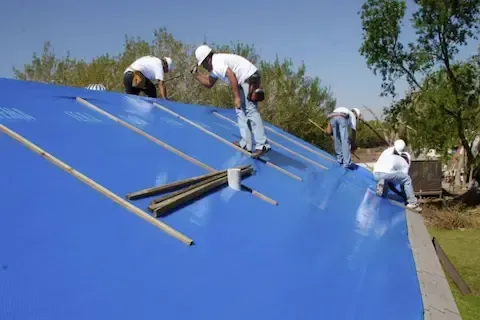
Emergency Roof Tarping for Maple Grove MN Homeowners
When a severe storm rolls through Maple Grove, the damage it leaves behind rarely waits for convenient timing. A torn-off section of shingles, a puncture from falling debris, or a cracked ridge cap can expose your home's interior to rain, wind, and cold within minutes. Emergency roof tarping is the first line of defense — a temporary protective measure that keeps water out of your attic, walls, and living spaces while you arrange for a permanent fix. Understanding how the process works, when to call for it, and what to expect from the installation helps you act quickly and make smart decisions under pressure.
What Emergency Roof Tarping Actually Does
A roof tarp is not a repair. It is a barrier — a heavy-duty polyethylene or reinforced cover secured over a damaged area to prevent water intrusion until permanent roofing materials can be installed. The difference between tarping within a few hours and waiting several days can mean the difference between a contained roofing bill and a much larger remediation project involving soaked insulation, rotted sheathing, and mold growth inside your attic cavity.
In Maple Grove, where storms can drop several inches of rain in a short window or pile heavy wet snow onto roofs in early spring, the speed of the response matters enormously. A properly secured tarp held down with weighted boards or screwed battens can hold through continued rainfall and moderate wind while your roofing contractor assesses the full extent of the damage. Without it, every hour of exposure compounds the problem.
Situations That Call for an Immediate Tarp
Not every roofing issue requires emergency tarping, but certain situations make it non-negotiable. If you recognize any of the following after a storm, make the call without delay.
- Missing shingles over a large area: When a storm peels back multiple rows of shingles, the felt underlayment beneath them is exposed. That underlayment is not waterproof — it is a secondary moisture barrier, not a primary one, and it fails quickly under sustained rain.
- Visible holes or punctures: Tree limbs, hail, or debris that penetrate through the sheathing create a direct opening into the attic. These require tarping immediately.
- Active ceiling leaks inside the home: Water staining, dripping, or bubbling paint on interior ceilings indicates that moisture has already breached the deck. The entry point on the roof needs to be covered before more damage accumulates.
- Damaged flashing around chimneys, skylights, or valleys: Metal flashing that has lifted, bent, or separated creates a channel that funnels water directly into the structure rather than off it.
- Storm-related structural impact: Any collision between a tree, branch, or large projectile and the roof surface warrants immediate evaluation and likely tarping. For more detail on how to handle this specific scenario, read this tree damage response article before making assumptions about scope.
How Professional Tarping Is Done in Maple Grove
Homeowners sometimes attempt to tarp their own roofs after storm damage. While the instinct to act fast is correct, rooftop work after a storm carries serious risk — wet surfaces, compromised decking, and unstable debris make it dangerous for anyone without fall protection equipment and training. The professional installation process follows a reliable sequence that maximizes both safety and effectiveness.
First, the crew assesses the full extent of visible damage before beginning any installation. This matters because covering a symptom without understanding the perimeter of the problem can allow adjacent damage to continue causing harm. Once the affected zone is mapped, they clear loose debris, broken shingle fragments, and standing water from the surface.
The tarp is then sized to extend several feet beyond all edges of the damaged area — including up over the ridge if the damage runs near the peak — to prevent wind uplift from peeling it back and to redirect water away from the breach. Weighted boards or secured battens are run along the edges and over the tarp surface to hold it flat against the roof deck. Fasteners are placed into sound structural zones rather than into compromised material.
In Hennepin County, where building departments may require documentation of damage before permitting permanent repairs, a professional crew will also photograph and document the installation, which supports your insurance claim and establishes the timeline of response.
What Tarping Does Not Fix
It is important to understand the limitations of a temporary roof tarp so you do not delay the permanent repair beyond what the tarp can realistically protect. Tarps are designed for short-term protection — typically measured in days or weeks, not months. UV exposure, temperature cycling, and wind stress degrade even heavy-duty polyethylene fairly quickly in Minnesota's climate, particularly during the spring and fall storm seasons.
A tarp also does not address any water that has already entered the structure before it was installed. If rain penetrated the roof before you were able to get a crew out, insulation, sheathing, and framing members may already be holding moisture. That needs to be identified and dried out as part of the repair process, not simply covered over. Your roofing contractor should probe for moisture in the decking and surrounding framing before the permanent repair begins.
Additionally, tarping is not a code-compliant repair and cannot be treated as a finished product for insurance settlement purposes. It is a protective measure that buys time — that time should be used to schedule your permanent restoration promptly.
Navigating Insurance in Hennepin County
Most homeowner insurance policies in Minnesota cover sudden and accidental damage from storms, including wind, hail, and fallen trees. Emergency tarping costs are typically covered as part of a valid storm damage claim, and most insurers expect you to take reasonable steps to prevent further damage — which is exactly what tarping accomplishes. Failing to tarp a known breach and then filing a claim for interior water damage may result in a partial denial on the grounds that you did not mitigate the loss.
When you work with a professional roofing contractor in Maple Grove, they can provide documentation of the damage before tarping, the scope of the installation, and the materials used. This paper trail helps your adjuster process the claim efficiently and reduces the chance of disputes about what was damaged by the storm versus what resulted from delayed action. Keep the contractor's photos, the invoice, and any written assessment they provide as part of your claim file.
If your adjuster schedules an inspection, make sure the tarp remains in place and undisturbed until they have seen it and the underlying damage. Removing the tarp prematurely or making partial repairs before the inspection can complicate your settlement.
Choosing a Tarping and Repair Contractor in Maple Grove
Not every contractor who offers tarping services has the training, insurance, or equipment to do it safely or correctly. After major storms affecting the northwest metro — including neighborhoods throughout Maple Grove such as Elm Creek, the Weaver Lake area, and areas near the Elm Creek Park Reserve — out-of-area contractors often circulate door-to-door offering emergency services. These storm chasers frequently take deposits and disappear, or perform installations that fail within days.
When selecting a contractor for emergency tarping, verify that they are licensed with the state of Minnesota, carry general liability and workers' compensation insurance, and have an established local presence. Ask whether they will provide written documentation of the damage before and after tarping, and confirm their timeline for transitioning from temporary protection to permanent repair. A contractor who treats emergency tarping as a bridge to legitimate restoration work — not as a standalone transaction — is the kind of professional you want managing your claim and your roof.
For Emergency Roof Tarping & Temporary Repair that moves directly into a full damage assessment and permanent restoration plan, working with a locally established team means you are not starting the process over with a different contractor once the emergency phase is complete.
The Path from Tarp to Permanent Repair
Once the tarp is in place and your insurance claim is filed, the next phase begins: a thorough inspection of the full roof system to identify both the obvious damage and any secondary issues that may have developed. In Maple Grove's climate, roofs endure significant stress across all four seasons — freeze-thaw cycling, ice dam formation, summer heat expansion, and spring hail. A single storm event often reveals vulnerabilities that were accumulating before the weather event that caused the visible damage.
Your contractor should inspect not only the impacted area but the flashing, gutters, ridge, and valleys across the entire roof surface. This prevents the common situation where a repair is completed on one section and a secondary failure occurs elsewhere within the same season. The goal is a repair or replacement that restores the full integrity of the roof system, not just the patched zone.
In Hennepin County, roofing permits are required for certain types of repair and replacement work. A professional contractor handles the permit application and final inspection, ensuring that the completed work meets local building code standards and that your home's records reflect a properly closed permit — which matters when you eventually sell the property.
Emergency tarping is not the end of the process. It is the beginning of a methodical response that protects your home, supports your insurance claim, and leads to a durable, code-compliant permanent repair. Acting quickly on the temporary fix gives you the time and documentation you need to do the permanent work right.
