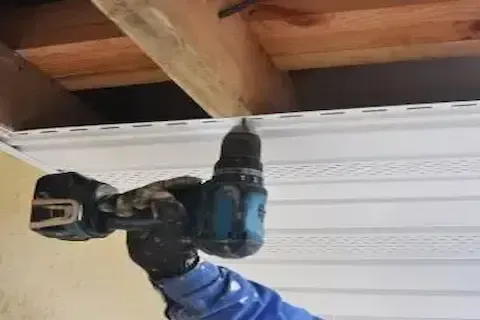
Fascia Soffit Gutter Replacement in Maple Grove MN
Your home's roofline represents more than just aesthetic appeal—it's a complex system where fascia, soffit, and gutters work together to protect your property's structural integrity. In Maple Grove, where seasonal temperature swings and precipitation patterns create unique challenges, understanding when and how to replace these interconnected components can save you thousands in water damage repairs while maintaining your home's curb appeal and value.
Understanding the Fascia-Soffit-Gutter System
The fascia board runs horizontally along your roofline, providing the mounting surface for your gutters while covering the exposed ends of your roof rafters. Behind the fascia, the soffit spans the underside of your roof's overhang, creating ventilation for your attic while preventing moisture buildup. Your gutters attach directly to the fascia, channeling water away from your foundation and protecting the wooden structures beneath.
This three-component system functions as your home's first defense against water infiltration. When one element fails, the others typically follow within months. The fascia board, usually made from wood, composite, or aluminum, bears the weight of ice-loaded gutters during Maple Grove's harsh winters. The soffit underneath must maintain proper ventilation while resisting moisture that could lead to rot or pest infiltration.
Modern replacement projects often address all three components simultaneously because they share similar lifespans and installation processes. Attempting piecemeal repairs frequently results in mismatched materials, compromised installation integrity, and repeated contractor visits that increase overall project costs.
Recognizing Replacement Timing Indicators
Fascia board deterioration typically manifests as visible rot along the bottom edge where gutters attach, peeling paint that won't adhere despite surface preparation, or soft spots that yield under gentle pressure. You might notice gaps between the fascia and roofline, indicating the board has warped or shrunk from moisture exposure. In Hennepin County's climate, wooden fascia boards commonly show these signs after 15-20 years, particularly on south and west-facing exposures.
Soffit problems appear as sagging panels, visible gaps that allow pest entry, or discoloration from moisture accumulation. Vinyl soffits may crack during extreme temperature changes, while wooden soffits often show rot near gutters or in areas with poor attic ventilation. Professional inspection becomes crucial when you notice any ventilation blockages, as restricted airflow can lead to ice dam formation during Minnesota winters.
Gutter replacement indicators include visible rust, loose joints that leak during rainfall, or gutters pulling away from the fascia board. When gutters fail, they often damage the fascia through constant moisture exposure and mechanical stress from wind loading. this shingle lifespan breakdown explains how gutter problems can accelerate roof deterioration beyond normal aging patterns.
Material Selection Considerations
Aluminum fascia offers excellent durability and low maintenance requirements, particularly in Maple Grove's variable climate conditions. Pre-finished aluminum resists moisture penetration while providing a clean, uniform appearance that complements most architectural styles. Installation typically involves wrapping existing wooden fascia rather than complete removal, reducing project complexity and waste disposal costs.
Composite fascia materials combine wood fibers with polymer resins, creating boards that resist rot, insects, and moisture while maintaining the workability of traditional lumber. These materials cost more initially but eliminate ongoing maintenance requirements like periodic painting or staining. Composite boards also provide superior screw-holding power for gutter attachment, reducing the likelihood of future mechanical failures.
Vinyl soffit panels dominate residential applications due to their moisture resistance, integrated ventilation options, and color-retention properties. Perforated vinyl soffits provide essential attic ventilation while preventing pest entry through precisely sized holes. Solid vinyl panels work well in areas requiring weather protection without ventilation needs, such as covered porches or architectural overhangs.
For gutters, seamless aluminum remains the preferred choice for most Maple Grove installations. Custom-formed on-site, seamless gutters eliminate joints where leaks commonly develop while providing 30-50 year service life with minimal maintenance. Copper gutters offer superior longevity and develop an attractive patina over time, though initial costs run significantly higher than aluminum alternatives.
Installation Process and Timing
Professional installation typically begins with complete removal of existing gutters to access fascia and soffit components safely. Contractors evaluate the underlying rafter condition and make necessary repairs before installing new fascia boards. This sequence prevents moisture problems that could compromise new materials and ensures proper attachment points for heavy gutter systems.
Soffit installation follows fascia completion, with careful attention to ventilation requirements and pest exclusion details. Proper soffit ventilation requires coordination with ridge vents or other exhaust systems to create effective airflow through your attic space. Inadequate ventilation contributes to ice dam formation and premature roof deterioration, making this aspect critical for long-term performance.
Gutter installation concludes the project sequence, with precise slope calculations ensuring proper drainage toward downspouts. Professional contractors use laser levels to achieve consistent fall rates that prevent standing water while maintaining attractive sight lines from ground level. Downspout placement and drainage connections require careful consideration of your property's grading and existing drainage infrastructure.
Optimal installation timing in Maple Grove runs from late spring through early fall, avoiding periods when extreme temperatures could affect material performance or worker safety. Spring installation allows the new system to handle summer storms and prepares your home for the following winter season. Fall installations should complete before sustained freezing temperatures arrive, typically by mid-November.
Common Installation Mistakes
Inadequate fascia board sizing represents a frequent error that compromises gutter support and long-term durability. Standard residential applications require fascia boards at least 1 inch thick and 6-8 inches wide to provide adequate mounting surface for heavy gutters loaded with ice and snow. Undersized boards may flex under load, causing gutter misalignment and eventual failure.
Improper soffit ventilation calculation leads to attic moisture problems and reduced energy efficiency. Effective ventilation requires intake area equal to 1 square foot per 150 square feet of attic space, with intake and exhaust vents balanced for optimal airflow. Many installations provide insufficient intake ventilation or block existing vents with solid soffit panels, creating negative pressure that reduces system effectiveness.
Gutter slope errors cause water pooling and premature system failure. Professional installation requires 1/4 inch fall per 10 feet of gutter run, with consistent slope maintenance throughout each section. Inadequate slope allows debris accumulation and ice formation, while excessive slope creates visible appearance problems and may overwhelm downspout capacity during heavy rainfall events.
Flashing integration mistakes allow water infiltration behind new fascia boards, leading to rot and structural damage. Proper installation requires coordinating fascia placement with existing roof edge flashing and ensuring continuous water barrier protection. Contractors must address drip edge positioning, ice and water shield integration, and transition details where different materials meet.
Local Climate Considerations
Maple Grove's continental climate creates specific challenges for fascia-soffit-gutter systems through extreme temperature variations and heavy snow loading. Winter temperatures regularly drop below zero degrees Fahrenheit, causing material contraction and stress on connection points. Spring thaw cycles create ice dam conditions that test gutter attachment strength and fascia board moisture resistance.
Ice accumulation in gutters can exceed 60 pounds per linear foot when heavy snow combines with inadequate attic ventilation. This loading requires robust fascia board attachment and properly sized gutter hangers spaced no more than 24 inches apart. Many homeowners underestimate ice loading requirements, leading to system failures during severe weather events.
Local building codes in Hennepin County address snow loading requirements and ventilation standards specific to regional climate conditions. Professional contractors understand these requirements and ensure installations meet or exceed code minimums for safety and performance. DIY installations often miss critical details that affect long-term durability and may create liability issues during insurance claims.
Seasonal maintenance requirements include fall gutter cleaning to remove leaves and debris before winter freeze cycles begin. Spring inspections should verify that ice loading hasn't damaged hangers or pulled gutters away from fascia boards. Fascia, Soffit & Gutter Systems maintenance prevents small problems from becoming major repairs that require complete system replacement.
Professional vs. DIY Considerations
Professional installation provides warranty protection, proper material sourcing, and expertise in handling complex details like inside and outside corners, downspout placement, and flashing integration. Licensed contractors carry insurance coverage that protects homeowners from liability during installation and provides recourse if problems develop after project completion.
Material costs for professional installation typically run 40-60% higher than DIY material purchases, but this difference often disappears when factoring in tool rental, disposal fees, and potential mistake corrections. Professional contractors also access commercial-grade materials and bulk pricing unavailable to individual homeowners, sometimes offsetting labor cost premiums.
Safety considerations make professional installation advisable for most Maple Grove homeowners, particularly on two-story homes or complex rooflines. Working at height with heavy materials requires specialized equipment and experience to prevent injuries. Professional contractors also understand electrical safety requirements when working near overhead power lines or exterior lighting fixtures.
Project timeline differences significantly favor professional installation, with experienced crews completing typical residential projects in 1-3 days compared to several weekends for DIY approaches. Professional efficiency becomes particularly important during brief weather windows when installation conditions allow work to proceed safely and effectively.
Long-term Performance and Maintenance
Properly installed fascia-soffit-gutter systems provide 25-40 years of service life with minimal maintenance requirements in Maple Grove's climate. Annual inspections should focus on gutter drainage, soffit ventilation, and fascia board condition, particularly after severe weather events. Early detection of problems allows minor repairs that prevent major system failures.
Gutter cleaning remains the primary ongoing maintenance requirement, with recommended frequency of twice yearly or after significant storm events. Professional cleaning services understand proper ladder placement, debris removal techniques, and inspection procedures that identify developing problems before they require expensive repairs.
Fascia and soffit maintenance typically involves annual visual inspection and occasional cleaning to remove dirt, pollen, or staining. Painted surfaces may require touch-up work every 5-10 years, while pre-finished aluminum and vinyl materials maintain their appearance throughout their service life without additional coating requirements.
System upgrades may become necessary when roofing projects or home additions alter drainage patterns or architectural details. Professional evaluation helps determine when partial repairs suffice versus complete replacement, considering factors like material compatibility, aesthetic integration, and long-term cost effectiveness for your specific property requirements.
