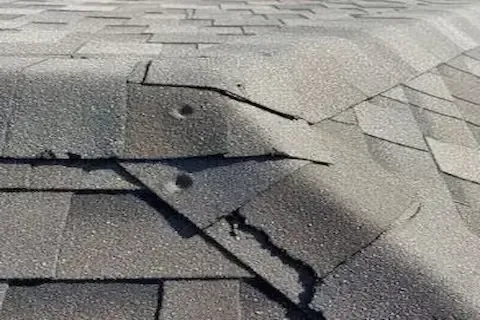
Hail Season Roof Prep for Maple Grove MN Homeowners
Understanding Minnesota's Hail Season Timeline
Minnesota's hail season typically runs from April through September, with peak activity occurring between May and July. In Maple Grove, your roof faces the highest risk during late spring and early summer when atmospheric conditions create the perfect storm environment. Understanding this timeline allows you to schedule preventive measures before severe weather arrives.
The National Weather Service reports that Minnesota experiences some of the most significant hail events in the Midwest, with storms capable of producing golf ball-sized hail or larger. Your Maple Grove home sits in a geographic zone where these severe weather patterns frequently develop, making proactive roof preparation essential for protecting your investment.
Historical weather data shows that Maple Grove typically sees its first potential hail events in mid-April, though the most destructive storms usually occur between Memorial Day and the Fourth of July. This knowledge helps you plan your preparation activities well in advance of peak season.
Pre-Season Roof Documentation Strategy
Before hail season begins, document your roof's current condition thoroughly. Take high-resolution photographs of all roof surfaces from multiple angles, capturing any existing damage, wear patterns, or aging signs. This documentation becomes crucial evidence for insurance claims if hail damage occurs later in the season.
Walk around your property and photograph the roof from ground level, focusing on different sections and angles. If you have a drone or can safely access upper story windows, capture overhead shots that show the entire roof surface. Date-stamp these images and store them in multiple locations, including cloud storage.
Create a written inventory alongside your photos, noting the age of your roofing materials, any previous repairs, and the overall condition rating. Include information about gutters, downspouts, roof vents, and other components that hail commonly damages. Professional Hail Damage Assessment & Repair contractors recommend this documentation as the foundation of any future insurance claim.
Identifying Vulnerable Roof Components
Certain roof elements prove more susceptible to hail damage than others. Asphalt shingles, particularly those over ten years old, show vulnerability to impact damage from even moderate-sized hail. Metal roofing components, while generally more durable, can still suffer denting and paint damage from severe storms.
Roof penetrations like vents, skylights, and chimney flashings represent weak points where hail can cause immediate damage or create entry points for water. Gutters and downspouts often sustain visible damage during hail events, serving as indicators of potential roof damage that may not be immediately apparent from ground level.
Your roof's age, material type, and previous maintenance history all influence its vulnerability to hail damage. Older roofs with brittle or weathered materials face higher risk, while newer installations with impact-resistant materials offer better protection during severe weather events.
Class 4 Shingle Upgrade Considerations
Class 4 impact-resistant shingles provide superior protection against hail damage compared to standard roofing materials. These shingles undergo rigorous testing that simulates impact from two-inch diameter steel balls dropped from specific heights, ensuring they can withstand significant hail strikes without damage. What the Class 4 impact rating actually means explains the UL 2218 test behind that number.
The optimal timing for upgrading to Class 4 shingles depends on your current roof's condition and age. If your existing roof shows signs of wear or approaches the 15-20 year replacement timeline, scheduling the upgrade before hail season maximizes your protection during peak storm months.
Many insurance companies offer premium discounts for homes with Class 4 shingles, potentially offsetting some upgrade costs over time. The combination of reduced damage risk and insurance savings makes this upgrade particularly valuable for Maple Grove homeowners facing regular hail threats.
Pre-Storm Inspection Checklist
Conduct monthly roof inspections during hail season, checking for loose or damaged shingles, clogged gutters, and compromised flashing. Look for granule loss on asphalt shingles, which indicates aging that increases hail vulnerability. Address these issues promptly to maintain your roof's protective integrity.
Examine your attic space for signs of existing leaks or structural issues that hail damage could worsen. Check for water stains, damaged insulation, or compromised structural elements that need attention before severe weather arrives.
Clear debris from gutters and downspouts to ensure proper water drainage during and after hail events. Clogged drainage systems can lead to water backup and additional damage when combined with hail-related roof compromises.
Insurance Coverage Verification
Review your homeowner's insurance policy before hail season begins, confirming that hail damage coverage remains current and adequate. Understand your deductible structure, coverage limits, and any specific requirements for filing hail damage claims.
Many insurance policies include specific provisions for hail damage, including time limits for reporting damage and requirements for professional inspections. Familiarize yourself with these requirements so you can respond appropriately if damage occurs.
Document any previous hail damage repairs or roof maintenance work, as insurance companies often request this information when processing new claims. Keep receipts, contractor reports, and before-and-after photos organized and easily accessible.
Local Weather Monitoring Resources
Minnesota's weather service provides detailed hail forecasting and severe weather warnings specifically for the Twin Cities metro area, including Maple Grove. Subscribe to local weather alerts through your smartphone or weather radio to receive real-time storm tracking information.
Local news stations offer detailed radar coverage and storm tracking that helps you monitor approaching hail-producing systems. Understanding how to read radar signatures for hail-producing storms enables you to take protective measures before damage occurs.
The Minnesota Department of Public Safety provides emergency weather information and safety guidelines specific to severe thunderstorms and hail events. These resources help you prepare both your property and family for dangerous weather conditions.
Post-Storm Response Planning
Develop a plan for assessing your roof after hail events, including safety protocols and documentation procedures. Never attempt to climb onto a potentially damaged roof, instead conducting initial assessments from ground level and scheduling professional inspections for suspected damage.
Establish relationships with reputable local contractors before you need emergency repairs. Research contractors' licenses, insurance coverage, and customer reviews, creating a contact list for immediate post-storm response. For comprehensive guidance on repair processes, review our hail damage repair overview to understand what to expect during the restoration process.
Know your insurance company's preferred claim reporting methods and required documentation. Some insurers offer mobile apps for photo submission and claim initiation, streamlining the process when quick action becomes necessary after storm damage.
