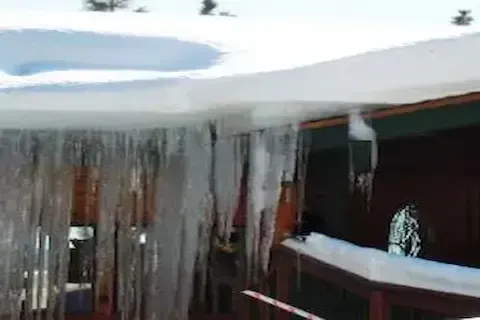
Ice Dam Prevention Steps for Maple Grove MN Homeowners
Maple Grove winters are no joke. With lake-effect cold snapping in from the northwest and snowfall that stacks up fast on residential rooftops, ice dams are one of the most predictable — and preventable — forms of winter roof damage in this part of Minnesota. If you've ever noticed heavy icicles hanging from your eaves or water stains creeping across your ceiling in February, you've already seen the warning signs. The good news is that ice dam formation follows a consistent pattern, which means homeowners who understand how they form can take targeted steps to stop them before they cause serious damage.
How Ice Dams Form on Maple Grove Rooftops
Ice dams don't form because the outside temperature is cold — they form because of a temperature difference between different parts of your roof. In most Maple Grove homes, heat escapes through the attic floor and warms the roof deck above it. Snow on that warmer section of roof melts and runs down toward the eaves. The eaves, which extend beyond the heated living space, stay close to the outside air temperature. When that meltwater reaches the cold eaves, it refreezes. That cycle repeats every time temperatures swing above and below freezing, and each cycle adds another layer of ice.
Eventually, the ice forms a ridge along the eave edge — a dam. Water backs up behind it, pooling on the roof surface. Because roofing materials are designed to shed water running downward, not water that's sitting still or traveling sideways, this backed-up water finds its way under shingles, into the roof deck, and eventually through the ceiling. That's when you start seeing the water stains, bubbling paint, and soaked insulation that signal real structural damage.
Attic Insulation: The First and Most Important Line of Defense
The root cause of most ice dams is an under-insulated attic. When attic insulation is thin, incomplete, or compressed, heat from your living space rises through it unchecked and warms the roof deck. In Maple Grove, where winter temperatures regularly drop into the single digits and below, that heat differential becomes severe.
The recommended insulation level for Minnesota attics is R-49 to R-60, depending on the attic configuration. Many older homes in Maple Grove fall well short of that. If your home was built before the 1990s and the attic insulation hasn't been upgraded, you're likely losing significant heat through the roof — and setting the stage for ice dam formation with every major snowfall.
Before adding insulation, make sure air sealing is addressed first. Gaps around light fixtures, attic hatches, plumbing chases, and electrical penetrations allow warm interior air to bypass insulation entirely and heat the roof deck in concentrated spots. Those spots become the primary melt zones. Air sealing those gaps with spray foam or caulk before layering blown-in insulation makes the entire upgrade far more effective.
Roof Ventilation: Keeping the Deck Cold and Uniform
Proper attic ventilation works alongside insulation to keep the entire roof deck at a consistent, cold temperature. The goal is simple: if the roof stays close to the outside air temperature throughout the winter, snow won't melt unevenly, and water won't run down to refreeze at the eaves.
A balanced ventilation system pulls cold air in through soffit vents at the eave and exhausts it through ridge vents at the peak, creating continuous airflow across the underside of the roof deck. When that airflow is blocked — by improperly placed insulation that covers soffit vents, by rodent nests, or by inadequate vent installation — warm air stagnates in the attic and the roof deck heats up.
Maple Grove homes with cathedral ceilings or complex roof geometry often have ventilation challenges that flat-ceiling homes don't. If your home has a vaulted ceiling or a finished attic space, ventilation channels need to be deliberately designed into the roof assembly. This is an area where a qualified roofing contractor familiar with Minnesota building standards can identify deficiencies that aren't obvious from the outside. For homeowners evaluating roofing material options alongside these upgrades, this shingle style comparison covers how different shingle profiles interact with ice and snow loads in this climate.
Heat Cables: Situational Tools, Not Permanent Fixes
Heated roof cables, also called heat tape or de-icing cables, are a common sight on Maple Grove homes with chronic ice dam problems. They work by creating a zigzag channel through which water can drain even when surrounding areas are frozen. Used correctly, they're a legitimate short-term solution for problem areas — particularly on sections of roof where geometry or shading prevents adequate ventilation improvements.
That said, heat cables come with important limitations. They don't address the root cause of ice dam formation, which means they need to run every winter to remain effective. They add to your electrical costs. And if installed improperly — particularly if they're run flat along the gutter rather than up onto the roof in a zigzag pattern — they can create more ice problems than they solve by trapping meltwater inside the gutter channel.
If you're relying on heat cables as your only ice dam prevention measure in Maple Grove, you're managing a symptom rather than solving a problem. Use them where insulation and ventilation improvements aren't sufficient on their own, but treat them as a supplement rather than a strategy.
Pre-Winter Roof Preparation Specific to Maple Grove
The weeks between October and the first significant snowfall are the best window for preventive action. There are several practical steps Maple Grove homeowners should take during this period every year.
- Clear gutters and downspouts completely. Clogged gutters accelerate ice dam formation by holding water at the eave edge. Make sure downspouts run clear and that water can discharge away from the foundation.
- Inspect attic insulation coverage. Pull back attic insulation near the eaves and verify that soffit vents are not blocked. This is a five-minute inspection that can prevent significant winter damage.
- Check attic hatch sealing. Attic hatches are one of the highest heat-loss points in most homes. A simple foam gasket and weatherstripping upgrade makes a noticeable difference.
- Identify previous ice dam locations. Look for paint stains, water marks, or damaged soffit material from the previous winter. These locations tell you exactly where heat is escaping and where to focus insulation improvements.
- Trim overhanging branches. Trees near the roofline in Maple Grove neighborhoods like Arbor Glen and Rice Lake Crossings can deposit debris that clogs gutters and creates shaded, slow-draining ice zones on the roof.
Roof Raking: Managing Snow Load After Storms
Even with good insulation and ventilation, a major snowfall event can create ice dam conditions if enough snow accumulates on the roof. Roof raking — pulling snow off the lower portion of the roof from the ground using a long-handled aluminum rake — is a practical response to heavy snowfall that removes the fuel ice dams need to form.
You don't need to clear the entire roof. Removing snow from the lower three to four feet of the roof edge is usually sufficient to eliminate the meltwater source at the eave zone. Work carefully from the ground or a stable position, pull downward with the rake rather than scraping across the surface, and avoid aggressive force that could dislodge shingles or damage gutters.
After major storms that drop more than eight to ten inches, roof raking is one of the most effective immediate actions Maple Grove homeowners can take. It won't replace the long-term benefits of insulation and ventilation upgrades, but it's a reliable tool for managing risk during any given winter season.
When Ice Dams Have Already Formed
If you're reading this after an ice dam has already developed on your roof, the priority is preventing water infiltration rather than immediately removing the ice. Avoid chipping or hacking at the ice with tools — this almost always damages shingles, flashing, or gutters, and can create entry points for water that didn't exist before.
Calcium chloride ice melt — not rock salt — can be placed in a nylon stocking and laid perpendicular across the ice dam to create a drainage channel. This is a safe, low-damage approach that gives water a path off the roof. If water is actively entering the structure, contact a professional roofing contractor to assess the situation. In Maple Grove, where freeze-thaw cycles can continue well into March, damage from an existing ice dam can compound quickly if left unaddressed.
Long-Term Roof Health in a Minnesota Climate
Ice dam prevention isn't a one-time project — it's an ongoing part of maintaining your home in a climate that consistently tests roofing systems. Maple Grove homeowners who invest in proper attic insulation and balanced ventilation see fewer ice dams, lower heating bills, longer shingle lifespans, and fewer emergency calls during winter storms. Those outcomes stack up significantly over the 20 to 30-year lifespan of a typical roofing system.
If you're planning a roof replacement, that's the ideal time to address ventilation and insulation comprehensively, since the roof deck is accessible and existing problems can be corrected before new materials go on. Whether you're planning a replacement or just trying to get through another Maple Grove winter without ceiling damage, Ice Dam Prevention services can help you assess your current roof and attic configuration and build a plan that makes sense for your specific home.
The homes that come through Minnesota winters without ice dam problems aren't lucky — they're properly prepared. That preparation starts in the attic, shows up in the ventilation system, and gets reinforced every fall before the snow arrives.
