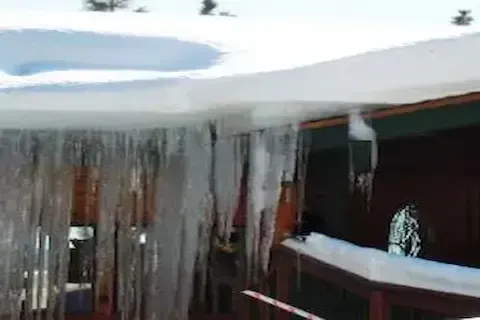
Pre-Winter Roof Prep to Avoid Ice Dams Maple Grove
Minnesota winters don't ease into cold — they arrive fast, and Maple Grove homeowners who haven't prepared their roofs before the first hard freeze often pay for it in water damage, ruined insulation, and ice dam removal costs that could have been avoided entirely. Ice dams form when heat escapes through your roof unevenly, melting snow that refreezes at the cold eaves. The result is a ridge of ice that traps water and forces it under shingles. Getting ahead of that cycle before November is one of the most cost-effective things you can do as a homeowner.
Why Maple Grove Homes Are Particularly Vulnerable
Maple Grove sits in Hennepin County, where winter temperatures routinely drop well below zero and snowfall accumulates significantly from late November through March. The area has a strong mix of housing stock — split-levels, two-stories, and homes with complex rooflines that include valleys, dormers, and multiple pitch changes. These design features create zones where heat loss concentrates and snow sits longer. Homes built before the mid-1990s are especially likely to have undersized soffit ventilation and insulation levels that don't meet current Minnesota Energy Code requirements. That combination is almost a guaranteed ice dam recipe.
Attic Ventilation: The Core of Ice Dam Prevention
Most ice dam problems trace back to the attic, not the roof surface itself. When warm air from your living space leaks into the attic and has nowhere to escape, it heats the roof deck from below. Snow melts on the upper sections of the roof, water runs toward the eaves where the roof is colder (because it overhangs the exterior rather than the heated space), and it freezes into a dam.
Proper ventilation keeps the attic close to outdoor temperatures so the roof stays uniformly cold. Before winter sets in, check that your soffit vents are clear of debris, insulation, or bird nests. Look for balanced intake and exhaust — soffit vents bring cold air in at the bottom, ridge vents or box vents exhaust warm air at the top. If you only have one or the other, the system isn't working as designed. A roofing contractor can calculate the net free area of ventilation your attic needs based on its square footage.
Insulation Review Before the First Snow
Ventilation and insulation work together. Even a perfectly ventilated attic will develop ice dams if heat is escaping through the ceiling below it. Minnesota code currently recommends R-49 to R-60 insulation for attic floors in this climate zone, but many older Maple Grove homes are running R-19 or less. That gap matters a great deal when temperatures drop to minus fifteen.
Walk your attic before winter if you can do it safely. Look for thin spots, areas where insulation has settled or been displaced, and any places where recessed lights, plumbing chases, or attic hatches are uninsulated or poorly air-sealed. Those are the exact spots where heat escapes and where ice dams start. Adding blown-in insulation and sealing air leaks around penetrations is typically inexpensive relative to the damage one bad ice dam season can cause.
Gutter Clearing and Drainage Prep
Clogged gutters don't cause ice dams by themselves, but they make the problem significantly worse. When gutters are full of leaves and debris — and Maple Grove's mature tree canopy drops plenty — water that would otherwise drain freely pools and freezes inside the gutter trough. That ice mass extends upward against the fascia and roof edge, giving an ice dam more surface area to grow.
Clear gutters after the last significant leaf fall, usually by early November in this area. Flush them with water to confirm downspouts are flowing freely. If your downspouts drain toward a low point in the yard, check that the area isn't already saturated — frozen ground combined with ice dam melt in late winter can create unexpected water intrusion near the foundation. For Ice Dam Prevention that works end-to-end, the gutter system is part of the equation, not an afterthought.
What a Professional Pre-Winter Inspection Covers
A roofing contractor doing a pre-winter inspection isn't just walking the roof and looking for missing shingles. When the focus is ice dam prevention, the scope goes deeper. Expect a qualified contractor to assess the following:
- Roof deck condition: Staining, soft spots, or delamination near the eaves indicate previous ice dam water intrusion. These areas are more vulnerable to future damage and may need repair before winter.
- Ice and water shield coverage: Minnesota building code requires ice and water barrier membrane along the eaves. Older homes may have inadequate coverage or none at all. If you're replacing or repairing sections of roof, this is the time to address it.
- Flashing integrity: Chimney, skylight, and valley flashings that have lifted or corroded will allow water infiltration once ice dams push standing water under the shingles.
- Attic air sealing: A thorough contractor will go into the attic, not just on the roof. Identifying and sealing bypasses — gaps around wiring, plumbing, and framing — is more effective than adding insulation on top of air leaks.
- Ventilation balance: The contractor should measure or estimate soffit and ridge vent net free area and flag any blockages or imbalances.
If you want to understand what goes into a full seasonal evaluation, read our ice dam prevention overview for more detail on what to expect and how to prepare your home before the inspection appointment.
Common Mistakes Homeowners Make Before Winter
One of the most frequent errors is assuming that heat cables solve the problem. Electric de-icing cables routed along the eaves can help melt a pathway for water to drain, but they don't address the root cause — heat loss from the living space. They also add to your energy bill and require installation before ice forms, not after. Many homeowners install them reactively after a bad season, then skip the attic work that would actually fix the issue.
Another mistake is waiting until after the first snowfall to schedule a contractor. In Maple Grove, roofing crews book quickly in October and early November. Inspections, minor repairs, gutter work, and any needed insulation upgrades all take time. Starting in September gives you options. Waiting until December does not.
Practical Timeline for Maple Grove Homeowners
A reasonable pre-winter roof prep schedule for a home in this area looks like this: In September, schedule a professional inspection and address any repairs identified. In October, clear gutters after the bulk of leaf fall and confirm attic ventilation is unobstructed. In early November, add insulation or air sealing if the inspection flagged gaps. Before the first significant snowfall, confirm downspouts are clear and drainage paths are open. That sequence doesn't require a lot of time, but it does require starting before the cold makes everything harder and more expensive to address.
