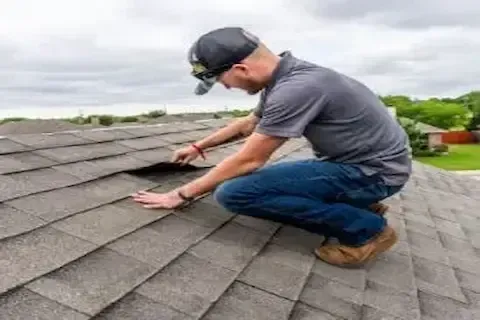
Maple Grove MN Home Roof Inspection: What to Expect
When you schedule a roof inspection for your Maple Grove home, you're taking a proactive step toward protecting one of your most significant investments. A professional roof inspection provides you with a comprehensive assessment of your roof's current condition, identifying potential issues before they become costly repairs. Understanding what happens during this process helps you prepare for the visit and make informed decisions about your roof's maintenance and future needs.
What Professional Roof Inspectors Examine
A thorough roof inspection covers multiple components of your roofing system, both visible and hidden elements that affect your home's protection. Professional inspectors begin with an exterior examination of your shingles, looking for signs of wear, damage, or deterioration. They check for missing, cracked, or curling shingles that could allow water penetration into your home's structure.
Flashing inspection represents another critical component of the assessment. Inspectors examine the metal strips around chimneys, vents, skylights, and roof valleys where different roof planes meet. These areas are particularly vulnerable to leaks, making their condition essential to your roof's overall integrity. Damaged or improperly installed flashing often causes significant water damage if left unaddressed.
Gutters and downspouts receive careful attention during the inspection process. Inspectors look for proper drainage, checking that water flows away from your home's foundation effectively. They examine gutter attachments, looking for loose or damaged hardware that could cause gutters to pull away from your roofline during heavy rainfall or snow load conditions.
Interior inspection involves examining your attic space for signs of water intrusion, inadequate ventilation, or structural issues. Inspectors look for water stains, mold growth, or damaged insulation that indicates roof problems. They also assess ventilation systems to ensure proper airflow, which prevents moisture buildup that can lead to rot and other structural damage.
Duration and Timeline of Roof Inspections
Most residential roof inspections in Maple Grove take between one to three hours, depending on your home's size, roof complexity, and accessibility. Single-story homes with simple roof lines typically require less time than multi-story homes with complex architectural features, multiple chimneys, or unusual roof configurations.
Weather conditions significantly impact inspection duration and scheduling. Inspectors cannot safely examine roofs during rain, snow, or high wind conditions. Ice accumulation during Minnesota winters makes roof access dangerous, often requiring inspections to be rescheduled for safer conditions. Planning your inspection during favorable weather ensures the most thorough assessment possible.
Preparation time before the inspector arrives can help streamline the process. Clear access to your home's exterior by moving vehicles, outdoor furniture, or landscaping equipment that might obstruct the inspector's work. Ensure attic access is available and unobstructed, allowing the inspector to examine interior roof components effectively.
Our Roof Inspection Services include comprehensive documentation of all findings, with digital photos and detailed notes about each area of concern. This thorough approach ensures you receive complete information about your roof's condition and any recommended maintenance or repairs.
Understanding Your Inspection Report
Professional inspection reports provide detailed documentation of your roof's condition, typically organized by system components and priority levels. The report includes photographs of problem areas, making it easier for you to understand the inspector's findings and the reasoning behind their recommendations.
Priority classifications help you understand which issues require immediate attention versus those that can be monitored or addressed during routine maintenance. Emergency repairs typically involve active leaks, severely damaged flashing, or structural issues that pose immediate risks to your home or safety. High-priority items might include multiple missing shingles, damaged gutters, or ventilation problems that could lead to significant issues if not addressed promptly.
Medium and low-priority items often involve preventive maintenance recommendations or minor repairs that should be completed within specific timeframes. These might include replacing a few damaged shingles, cleaning gutters, or addressing minor flashing concerns before they develop into larger problems.
Cost estimates for recommended repairs help you budget for necessary work and plan maintenance schedules. Reputable inspection reports provide realistic price ranges for different repair scenarios, allowing you to prioritize work based on your budget and the urgency of each issue.
Common Issues Found During Hennepin County Inspections
Minnesota's climate creates specific challenges for residential roofing systems, with certain problems appearing more frequently during professional inspections. Ice dam damage ranks among the most common issues found in Maple Grove homes, particularly after harsh winter seasons. Ice dams form when heat escapes through inadequate insulation, melting snow that refreezes at roof edges, potentially backing water under shingles.
Shingle deterioration from thermal cycling occurs when temperature fluctuations cause roofing materials to expand and contract repeatedly. This process gradually weakens shingles, leading to cracking, curling, or granule loss that reduces their protective capabilities. Inspectors often find this type of damage on south-facing roof slopes that receive maximum sun exposure.
Ventilation inadequacies frequently appear in inspection reports, particularly in older homes or those with recent renovations that may have blocked existing ventilation pathways. Poor ventilation leads to moisture accumulation, ice dam formation, and reduced energy efficiency. Inspectors assess both intake and exhaust ventilation to ensure proper airflow throughout your attic space.
Flashing failures around penetrations like chimneys, vents, and skylights represent another common finding. Over time, caulking deteriorates, metal corrodes, or installation defects become apparent, allowing water to enter your home's structure. These problems often remain hidden until significant damage occurs, making professional inspection valuable for early detection.
Preparing Your Home for Professional Inspection
Proper preparation ensures inspectors can access all areas of your roof system safely and efficiently. Remove or relocate outdoor furniture, grills, or equipment stored near your home's foundation that might obstruct ladder placement or create safety hazards. Trim tree branches that hang over your roof or touch exterior walls, as these can damage roofing materials and provide pathways for pests.
Interior preparation involves ensuring clear attic access and removing stored items that might prevent inspectors from examining critical areas. If you use your attic for storage, create walkways that allow safe movement without stepping on ceiling joists or damaging insulation. Provide adequate lighting in attic spaces, or inform inspectors if electrical connections are needed for their equipment.
Document any concerns or problem areas you've noticed, such as water stains, unusual sounds during storms, or visible exterior damage. This information helps inspectors focus on specific areas while ensuring they don't overlook problems you've already identified. Include information about recent weather events, previous repairs, or modifications that might affect your roof's condition.
For more information about maintaining your roof after installation, review our asphalt shingle install overview which covers proper maintenance practices and early warning signs of potential problems.
Seasonal Timing Considerations for Roof Inspections
Spring inspections in Maple Grove offer ideal timing for assessing winter damage and preparing for the active weather season ahead. After snow melts, inspectors can identify ice dam damage, missing or damaged shingles, and gutter problems that developed during harsh winter conditions. Spring scheduling also allows time to complete necessary repairs before summer storms arrive.
Fall inspections prepare your roof for upcoming winter conditions, ensuring your home's protection during the most challenging weather season. Inspectors focus on gutter cleaning, flashing condition, and overall weatherproofing to prevent ice dam formation and other cold-weather problems. Fall timing also provides favorable weather conditions for both inspection and any required repair work.
Post-storm inspections become necessary after severe weather events, particularly hail storms or high winds that can cause immediate damage. Insurance companies often require professional inspections following significant weather events, and prompt assessment helps ensure timely claim processing and repair completion.
Bi-annual inspection schedules provide optimal roof maintenance, with spring and fall assessments catching problems early and maintaining your roof's protective capabilities. Regular inspection intervals also help maintain manufacturer warranties that may require documented maintenance records.
Working with Insurance Claims and Documentation
Professional inspection reports provide essential documentation for insurance claims related to storm damage, wear and tear, or other roofing issues. Insurance adjusters rely on detailed inspector findings to assess claim validity and determine appropriate coverage for necessary repairs or replacement.
Photography and detailed condition assessments help support insurance claims by providing objective evidence of damage and its probable causes. Inspectors document pre-existing conditions versus new damage, helping insurance companies make fair determinations about coverage and claim settlements.
Timeline documentation becomes crucial when dealing with insurance claims, particularly for storm-related damage. Professional inspectors note when damage likely occurred and whether it relates to specific weather events or gradual deterioration over time. This information helps insurance companies process claims appropriately and ensures you receive proper coverage for covered damages.
Maintenance records supported by regular professional inspections demonstrate responsible homeownership and can influence insurance claim outcomes positively. Insurance companies view documented maintenance favorably when assessing claims and determining coverage levels for various types of damage.
Making Informed Decisions After Your Inspection
Professional inspection results provide the foundation for making informed decisions about your roof's future, whether that involves immediate repairs, planned maintenance, or complete replacement considerations. Understanding the inspector's findings and recommendations helps you prioritize work based on safety, budget, and long-term home protection needs.
Repair versus replacement decisions depend on multiple factors including your roof's age, extent of damage, and cost-effectiveness of different approaches. Inspectors provide guidance about when repairs make sense versus situations where replacement offers better long-term value and protection for your Maple Grove home.
Budget planning benefits from detailed inspection reports that outline both immediate needs and anticipated future maintenance requirements. This information helps you allocate resources effectively, addressing critical issues promptly while planning for upcoming maintenance needs.
Contractor selection becomes easier when you have comprehensive inspection documentation to share with potential service providers. Detailed reports help contractors provide accurate estimates and ensure all necessary work gets included in their proposals, preventing surprises during the repair process.
