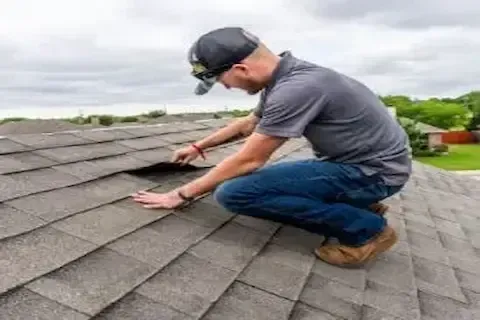
Spring Roof Inspection Checklist for Maple Grove MN
Post-Winter Damage Assessment
After Minnesota's harsh winter conditions, your Maple Grove roof faces unique challenges that require careful spring evaluation. Ice dams, heavy snow loads, and freeze-thaw cycles create specific damage patterns that homeowners need to identify early. Start your inspection by examining the overall roof structure from ground level, looking for sagging areas, missing or displaced shingles, and any obvious signs of structural stress.
Check your gutters and downspouts for ice dam damage, which is particularly common in Maple Grove due to our temperature fluctuations. Look for bent or separated gutter sections, and examine the fascia boards for water staining or rot. These areas often show the first signs of winter damage and can indicate more serious underlying issues.
Document any visible damage with photos from multiple angles. This documentation proves valuable for insurance claims and helps professional inspectors understand the scope of potential issues during their detailed assessment.
Shingle and Surface Inspection
Examine individual shingles for granule loss, cracking, curling, or complete displacement. Minnesota winters are particularly hard on asphalt shingles, and you'll often find granules accumulated in gutters after spring snowmelt. Significant granule loss indicates aging or storm damage that compromises your roof's protective capabilities.
Look for exposed nail heads, which suggest shingle movement or improper installation. Wind-driven snow and ice can work loose shingles over time, creating entry points for water infiltration. Pay special attention to roof edges, valleys, and areas around penetrations like vents and chimneys, where winter weather concentrates its effects.
Check for algae or moss growth, which becomes more apparent after winter moisture exposure. While not immediately dangerous, these organic growths indicate moisture retention issues that can accelerate shingle deterioration if left untreated.
Flashing and Penetration Points
Inspect all flashing around chimneys, vents, skylights, and roof-to-wall transitions. Ice formation and thermal expansion can separate flashing from adjacent surfaces, creating gaps that allow water penetration. Look for rust, corrosion, or physical displacement of metal flashing components.
Examine caulked seams around penetrations for cracking or separation. Temperature extremes cause caulk to contract and expand, often resulting in failure after winter exposure. Fresh caulk lines that appear cracked or pulled away from surfaces need immediate attention.
Check vent boots and pipe collars for cracking or deterioration. Rubber components are particularly vulnerable to freeze-thaw cycles and may develop splits or hardening that compromises their sealing effectiveness.
Interior Inspection Signs
Move inside to examine your attic space for water damage indicators. Look for dark staining on rafters, insulation, or decking materials that suggest active or recent leaks. Fresh water damage often appears as darker wood coloration or wet insulation areas.
Check for proper ventilation function by ensuring soffit vents remain clear and ridge vents show no blockage. Poor ventilation contributes to ice dam formation and can cause moisture problems that damage your roof structure from within.
Examine insulation levels and condition throughout the attic space. Wet or compressed insulation loses effectiveness and can indicate ongoing moisture issues that require professional attention through Roof Inspection Services.
Drainage System Evaluation
Assess your complete drainage system functionality after winter ice and debris accumulation. Clear gutters and downspouts of leaves, twigs, and ice dam residue that can impede proper water flow during spring rains. If the fascia behind your gutters is soft or the boards are pulling away, this fascia, soffit, and gutter replacement guide covers what the repair involves.
Test downspout drainage by running water through the system and observing flow patterns. Blocked or redirected drainage can cause water backup that damages both roof and foundation areas.
Examine ground-level drainage around your home's perimeter. Spring snowmelt combined with compromised roof drainage can create foundation moisture issues that extend beyond roofing concerns.
Professional Assessment Indicators
Certain damage patterns require professional evaluation beyond basic homeowner inspection capabilities. Multiple missing shingles, sagging roof sections, or extensive ice dam damage typically indicate structural issues that need expert assessment.
If you discover multiple problem areas during your inspection, schedule professional evaluation before minor issues compound into major repairs. Maple Grove's climate patterns make early intervention particularly cost-effective for maintaining roof integrity.
Consider professional inspection if your roof is approaching 15-20 years of age, regardless of visible damage. Aging roofing systems may have hidden vulnerabilities that become apparent only through detailed professional assessment, which you can learn more about through our roof inspection walkthrough.
Preventive Maintenance Steps
Complete minor repairs identified during inspection before they develop into major problems. Replace loose or missing shingles, reseal minor flashing gaps, and clear drainage obstructions as immediate priorities.
Schedule regular maintenance tasks like gutter cleaning and tree trimming to prevent future damage. Overhanging branches contribute to debris accumulation and can cause physical damage during storms.
Document your inspection findings and maintenance activities to establish a baseline for future assessments. This record helps identify developing patterns and supports warranty or insurance claims when necessary.
