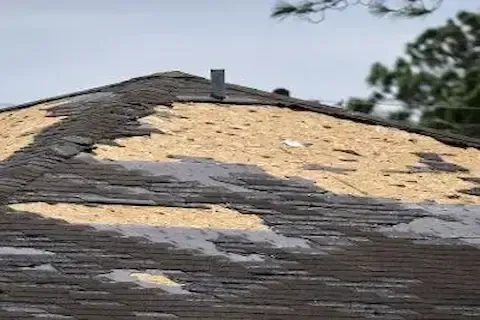
Spring Storm Roof Prep for Maple Grove MN Homeowners
Spring storms in Minnesota arrive with little warning, bringing damaging winds, hail, and heavy rainfall that can devastate unprepared roofing systems. Your roof represents one of your home's most critical defensive barriers against these seasonal weather events, making pre-storm preparation essential for protecting your property investment and ensuring your family's safety throughout the challenging months ahead.
Essential Pre-Storm Roof Inspection Checklist
Begin your spring preparation with a comprehensive visual inspection from ground level using binoculars. Look for loose, missing, or damaged shingles that could become projectiles during high winds. Check for exposed nail heads, cracked flashing around chimneys and vents, and any signs of granule loss that indicate aging materials vulnerable to storm damage.
Examine your gutters and downspouts for proper attachment and functionality. Loose gutters can tear away during storms, causing additional roof damage and creating safety hazards. Ensure all gutters slope properly toward downspouts and that water flows freely without backing up onto your roof surface.
Pay special attention to tree branches overhanging your roof. Minnesota's spring storms often bring sudden wind gusts exceeding 60 mph, turning nearby branches into battering rams against your roofing materials. Document any branches within ten feet of your roof line for potential trimming before storm season peaks.
Critical Debris Removal and Cleaning
Clear all debris from your roof surface, including leaves, branches, and accumulated winter materials. This debris can trap moisture against your roofing materials, accelerating deterioration and creating weak points where storm damage typically begins. Focus particularly on valleys and areas around roof penetrations where debris naturally collects.
Clean your gutters thoroughly, removing all organic matter and sediment that could cause blockages during heavy spring rains. Clogged gutters force water to back up under your roofing materials, potentially causing significant interior damage during extended storm events common in the Twin Cities area.
Inspect and clear all roof vents, ensuring proper airflow through your attic space. Blocked ventilation can create pressure differentials during storms that increase the risk of roof uplift and catastrophic failure when combined with high winds.
Documentation and Photography Best Practices
Create comprehensive photographic documentation of your roof's current condition before storm season arrives. Take wide-angle shots of each roof section, plus detailed close-ups of potential problem areas, flashing connections, and any existing damage. Date-stamp all photos and store them in both digital and printed formats for insurance purposes.
Document your home's exterior from multiple angles, including surrounding trees, fencing, and outbuildings that could impact your roof during storms. This documentation proves invaluable for insurance claims and helps contractors understand your property's specific vulnerabilities when Storm Damage Roof Repair becomes necessary after severe weather events.
Maintain detailed records of all recent roof maintenance, repairs, and improvements. Insurance adjusters and roofing contractors rely on this information to distinguish between pre-existing conditions and fresh storm damage, potentially affecting claim settlements and repair recommendations.
Identifying Vulnerable Areas and Weak Points
Focus your inspection efforts on your roof's most vulnerable areas where storm damage typically originates. Ridge lines, hip joints, and valleys concentrate stress during high winds and require careful examination for loose materials or deteriorated connections. These areas often fail first during severe weather events.
Examine all roof penetrations including chimneys, vent pipes, skylights, and satellite dishes. These interruptions in your roof's continuous surface create potential entry points for wind-driven rain and represent weak spots where storm damage frequently begins. Look for cracked caulking, loose flashing, or gaps around penetration points.
Check your roof's edges and eaves carefully, as these areas experience the highest wind pressures during storms. Loose or improperly secured edge materials can begin peeling back during high winds, creating larger openings that allow storm damage to spread rapidly across your entire roof system.
Common Spring Preparation Mistakes
Many homeowners attempt dangerous roof climbing to perform close-up inspections, creating unnecessary safety risks while often missing critical problems visible only from ground level. Professional-grade binoculars provide safer, more effective inspection capabilities than attempting to walk on potentially slippery or damaged roofing materials.
Avoid applying temporary patches or quick fixes to identified problems without understanding underlying causes. Improper repairs often create additional vulnerabilities that worsen during storms, potentially causing more extensive damage than the original issues would have created.
Don't postpone addressing identified problems assuming they'll survive another storm season. Minnesota's severe weather patterns can rapidly accelerate roofing deterioration, turning minor maintenance issues into major structural problems requiring extensive repairs or complete replacement.
Maple Grove Weather Considerations
Maple Grove's location in the Twin Cities metropolitan area exposes homes to unique weather patterns that influence storm preparation timing and priorities. The area's flat terrain allows storms to build intensity rapidly, while nearby lakes can create microclimates that intensify localized weather events affecting your specific neighborhood.
Spring storms in Hennepin County typically peak between April and June, with hail events most common during late afternoon and evening hours when atmospheric conditions favor severe thunderstorm development. Plan your preparation activities to complete well before this peak period arrives.
Consider your home's orientation relative to prevailing storm directions in the Minneapolis area. Storms typically approach from the southwest, making south and west-facing roof sections most vulnerable to direct wind impact and wind-driven debris. For more detailed information about storm patterns and repair processes, review our storm damage repair overview to understand local weather challenges.
Professional Assessment and Maintenance
Schedule professional roof inspection services before spring storm season begins, particularly if your roof exceeds ten years of age or sustained damage during previous weather events. Professional inspectors identify subtle problems invisible to homeowners, potentially preventing catastrophic failures during severe weather.
Establish relationships with qualified roofing contractors before emergency situations arise. Storm damage creates high demand for roofing services, often resulting in extended wait times and increased costs for homeowners who haven't pre-arranged professional relationships.
Consider professional maintenance services for complex tasks like flashing repair, shingle replacement, or structural assessments requiring specialized knowledge and safety equipment. Attempting advanced roofing work without proper training and tools often creates additional problems while exposing homeowners to serious injury risks.
