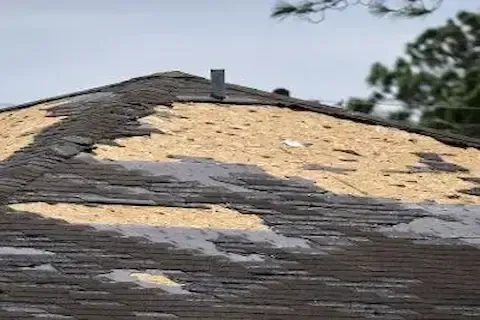
Storm Damage Roof Repair for Maple Grove MN Homeowners
Severe weather events in Maple Grove, Minnesota can cause significant damage to residential roofing systems, leaving homeowners facing urgent repair needs and complex insurance claims. Understanding how to identify storm damage, document it properly, and coordinate emergency repairs can protect your home and your financial investment during these stressful situations.
Identifying Storm Damage on Your Maple Grove Roof
Storm damage manifests in several distinct ways that homeowners should recognize immediately after severe weather passes through the area. Wind damage typically appears as missing or lifted shingles, exposed nail heads, or granule loss concentrated on specific roof sections. Hail damage creates circular bruises on shingles, dented gutters and downspouts, and impact marks on metal roof components like vents and flashing.
Look for subtle signs that indicate compromised roof integrity beyond obvious missing shingles. Cracked or split shingles may not be immediately visible from ground level but can allow water penetration. Check for displaced ridge caps, damaged soffit and fascia boards, and compromised chimney caps or vent covers. Indoor signs include water stains on ceilings, dampness in attic spaces, or unusual drafts that suggest structural compromise.
Professional Storm Damage Roof Repair contractors can identify damage that homeowners might miss during initial assessments. They understand how wind patterns and hail trajectories affect different roof areas and can spot early signs of failure that could worsen without prompt attention.
Safety considerations are paramount when inspecting potential storm damage. Avoid climbing onto damaged roofs, as storm impacts can weaken structural supports and create unsafe conditions. Use binoculars or telephoto camera lenses to examine roof surfaces from ground level, and document any visible damage with photographs that include reference points for scale.
Common Types of Weather-Related Roofing Damage
Wind damage occurs when sustained winds exceed 45 mph or when sudden gusts create uplift forces that overcome shingle adhesion and fastener holding power. Maple Grove experiences frequent wind events during spring and summer storm seasons, with straight-line winds and tornado activity posing particular threats to roofing systems.
Hail damage severity depends on hail size, wind speed during the storm, and the age and condition of your roofing materials. Hailstones larger than one inch can crack asphalt shingles, dent metal components, and compromise granule coverage that protects underlying materials from UV exposure. Hennepin County experiences significant hail events several times per year, making impact-resistant materials increasingly important for long-term roof protection.
Ice dam formation represents a unique challenge for Minnesota homeowners, occurring when melting snow refreezes at roof edges and creates barriers that force water backup under shingles. While not technically storm damage, ice dams often accompany winter storm events and can cause extensive water damage to roof decking and interior spaces.
Lightning strikes, though less common, can cause immediate structural damage, electrical system problems, and fire hazards. Even nearby lightning strikes can create power surges that damage electronic components of roofing systems like ventilation fans or heating cables.
Emergency Response and Damage Mitigation
Immediate action following storm damage can prevent secondary damage that often exceeds the cost of initial storm impact repairs. Your first priority should be protecting your home's interior from water intrusion while maintaining personal safety throughout the emergency response process.
Temporary measures include covering exposed areas with tarps secured with appropriate fasteners, placing containers to collect dripping water, and moving valuable items away from damaged ceiling areas. However, temporary repairs should never involve climbing onto damaged roof structures or attempting to patch areas that require professional assessment and repair.
Contact your insurance company immediately to report potential damage and initiate the claims process. Many insurers have specific timeframes for reporting storm damage, and prompt notification can affect coverage decisions. Document the date and time of the storm event, and gather any available weather reports or radar images that demonstrate storm severity in your area.
Emergency roofing contractors can provide immediate damage assessment and temporary protection services while you coordinate longer-term repairs. Reputable contractors will provide detailed documentation that supports insurance claims while ensuring your home remains weatherproof during the repair process.
Insurance Claims and Documentation Process
Successful storm damage insurance claims require thorough documentation that clearly demonstrates the connection between weather events and resulting roof damage. Begin documentation immediately after it's safe to do so, using photographs, video recordings, and written descriptions that capture damage extent and location.
Photograph damaged areas from multiple angles, including wide shots that show overall roof condition and close-up images that detail specific damage types. Include reference objects like coins or rulers to demonstrate hail size or impact depth. Document interior damage that may have resulted from roof leaks, including water stains, damaged insulation, or compromised structural components.
Insurance adjusters will conduct their own damage assessment, but having comprehensive homeowner documentation strengthens your claim position and ensures all damage is properly identified and included in repair estimates. Professional roofing contractors can provide supplemental documentation that includes technical assessments of damage severity and repair recommendations.
Understanding your insurance policy coverage limits and deductible requirements helps you make informed decisions about repair timing and contractor selection. Some policies include provisions for emergency repairs or temporary living expenses if your home becomes uninhabitable due to storm damage.
Selecting Emergency Roofing Contractors
Storm events often bring out both reputable contractors and opportunistic companies that may not provide quality workmanship or proper licensing and insurance coverage. Verify contractor credentials before signing any agreements, including state licensing, local business permits, and comprehensive liability insurance.
Legitimate contractors will provide written estimates that detail materials, labor costs, and project timelines without requiring immediate payment or signatures. Be wary of door-to-door solicitors who pressure homeowners into immediate decisions or request full payment before work begins.
Local contractors familiar with Maple Grove building codes and permit requirements often provide better service than out-of-state companies that arrive after major storm events. They understand regional weather patterns, preferred materials for Minnesota conditions, and local inspection processes that ensure code compliance.
Request references from recent customers and verify contractor standing with Better Business Bureau or local trade organizations. Quality contractors welcome scrutiny of their work history and maintain positive relationships with suppliers, inspectors, and previous customers.
Preventive Measures and Future Storm Preparation
Installing impact-resistant roofing materials during repairs can significantly reduce future storm damage and may qualify for insurance discounts. our Class 4 shingle overview provides detailed information about advanced materials designed to withstand severe weather conditions common to the Minneapolis metropolitan area.
Regular roof maintenance reduces storm damage vulnerability by ensuring all components function properly and can withstand weather extremes. Annual inspections should include checking flashing seals, clearing debris from gutters and downspouts, and trimming tree branches that could impact roofing surfaces during high winds.
Consider upgrading roof ventilation systems to reduce ice dam formation and improve overall energy efficiency. Proper ventilation helps maintain consistent attic temperatures that prevent snow melting and refreezing cycles that create ice dams during winter storm events.
Maintain documentation of roof improvements, repairs, and maintenance activities to support future insurance claims and demonstrate proper homeowner care of your roofing system. This documentation can be valuable when working with adjusters who need to understand your roof's condition and maintenance history.
Working with Insurance Adjusters and Contractors
Insurance adjusters and roofing contractors should work together to ensure accurate damage assessment and appropriate repair recommendations. Professional contractors can provide technical expertise that helps adjusters understand damage extent and proper repair methods required for Minnesota weather conditions.
Schedule adjuster visits promptly while damage remains visible and before temporary repairs might obscure evidence of storm impact. Accompany adjusters during their inspection to point out specific damage areas and provide your documentation of storm effects.
Obtain multiple contractor estimates to ensure repair costs align with insurance settlements, but remember that the lowest bid may not represent the best value if it compromises material quality or workmanship standards. Quality repairs using appropriate materials provide better long-term protection and may prevent future damage claims.
Understand the difference between replacement cost and actual cash value coverage when evaluating repair options. Replacement cost coverage typically provides better protection for storm damage repairs, while actual cash value settlements may not cover full replacement costs for older roofing systems.
Long-term Recovery and Roof Performance
Storm damage repairs provide opportunities to upgrade roofing systems with improved materials and installation techniques that enhance future weather resistance. Modern underlayment materials, enhanced ventilation systems, and impact-resistant shingles can significantly improve your roof's ability to withstand severe weather events.
Monitor repaired areas during subsequent weather events to ensure repairs perform as expected and no additional damage develops. Early identification of repair failures allows for warranty corrections before minor problems become major damage events.
Consider whole-house weather protection improvements that complement roofing repairs, including storm doors, impact-resistant windows, and improved exterior siding. Comprehensive weather protection reduces overall storm damage risk and may qualify for additional insurance discounts.
Maintain relationships with trusted roofing professionals who understand your roof's history and can provide ongoing maintenance and emergency services when needed. Established relationships with reliable contractors ensure prompt response during future storm events and consistent quality in repair work.
