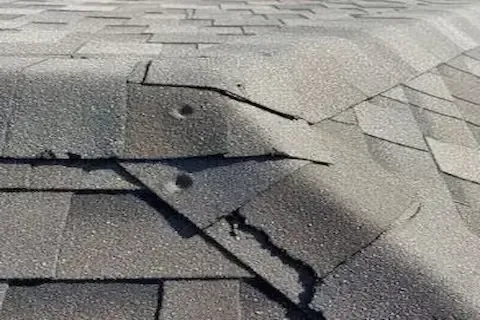
Hail Damage Roof Repair for Maple Grove MN Homeowners
Hail storms can strike Maple Grove with little warning, leaving homeowners facing damaged roofs and urgent repair decisions. When hailstones pummel your roof, the damage may not be immediately visible from ground level, but the structural integrity and weather protection of your home can be significantly compromised. Understanding the assessment process, documentation requirements, and repair options helps you navigate this challenging situation effectively.
Understanding Hail Damage to Roofing Systems
Hail damage manifests differently depending on your roofing material, the size of the hailstones, and the duration of the storm. Asphalt shingles, common throughout Hennepin County, show damage through granule loss, exposed mat, cracking, or punctures. Metal roofing may display dents or scratches, while tile roofs can suffer from chips or complete fractures.
The severity of damage correlates with hailstone size and impact velocity. Hail measuring one inch or larger typically causes noticeable damage to standard asphalt shingles, while stones exceeding two inches can penetrate roofing materials entirely. Wind speed during the storm also affects the angle and force of impact, potentially causing damage even with smaller hailstones.
Immediate damage may include visible granule loss creating dark spots on shingles, cracked or split shingles, damaged gutters and downspouts, and dented flashing around chimneys or vents. However, some damage remains hidden initially, manifesting as loose or weakened shingles that fail during subsequent weather events.
Professional Hail Damage Assessment Process
Professional assessment begins with a comprehensive exterior inspection covering all roof surfaces, gutters, downspouts, and related components. Qualified inspectors examine each roofing section methodically, documenting damage patterns, measuring affected areas, and photographing evidence for insurance documentation.
The assessment includes checking for functional damage that affects the roof's ability to shed water effectively. This involves examining seals around penetrations, testing flashing integrity, and identifying areas where granule loss has exposed the underlying mat. Inspectors also evaluate the cumulative effect of damage across the entire roof system.
Interior inspections complement exterior assessments by identifying water damage, staining, or other signs that hail has compromised the roof's protective barrier. Attic spaces often reveal damage not visible from outside, including punctures through decking or displacement of insulation materials.
Documentation during assessment includes detailed photographs, measurements of damaged areas, sample collection of damaged materials, and written descriptions of each type of damage found. This comprehensive documentation supports insurance claims and helps contractors develop accurate repair estimates.
Insurance Documentation and Claims Process
Proper documentation forms the foundation of successful hail damage claims. Begin by photographing the overall roof condition immediately after the storm, capturing wide shots that show the extent of damage across different roof sections. Follow with close-up images of specific damage points, ensuring clear visibility of granule loss, cracks, or punctures.
Insurance adjusters require detailed evidence linking storm events to observed damage. Weather reports from the National Weather Service confirming hail activity in Maple Grove on specific dates strengthen your claim significantly. Many insurance companies also reference storm tracking data from services that monitor hail patterns across Hennepin County.
Professional Hail Damage Assessment & Repair services often include insurance liaison support, helping homeowners navigate complex claim procedures and ensuring all required documentation reaches adjusters promptly. This professional advocacy can make the difference between claim approval and denial.
The claims process typically involves filing a notice of loss, scheduling an adjuster inspection, providing supplemental documentation as requested, and reviewing the settlement offer. Understanding your policy's coverage limits, deductible structure, and any depreciation factors helps set realistic expectations for claim outcomes.
Repair Versus Full Replacement Considerations
The decision between repair and full replacement depends on damage extent, roof age, and long-term cost considerations. When damage affects less than thirty percent of the roof surface and the existing roofing system is relatively new, targeted repairs may provide effective protection at lower cost.
Full replacement becomes necessary when damage is widespread, when the existing roof has reached or exceeded its expected lifespan, or when multiple storm events have created cumulative damage beyond effective repair. Insurance policies often specify percentage thresholds that trigger replacement coverage rather than repair-only settlements.
Age considerations play a crucial role in replacement decisions. A roof approaching fifteen to twenty years of age with significant hail damage may warrant replacement even if individual damaged areas could be repaired. This approach provides long-term value and avoids recurring repair costs as the aging roof continues to deteriorate.
Matching considerations also influence repair feasibility. When existing shingles are discontinued or significantly weathered, achieving proper color and texture matches becomes difficult. Poor matches create aesthetic issues and potentially affect property values, making replacement more attractive than piecemeal repairs.
Common Assessment and Repair Mistakes
Many homeowners delay professional assessment, allowing hidden damage to worsen through subsequent weather exposure. Even minor hail damage can compromise shingle integrity, leading to wind damage during later storms or water infiltration during heavy rains. Prompt assessment prevents these secondary damage issues.
Another frequent mistake involves accepting insurance settlements without independent verification of damage extent. Insurance adjusters may miss subtle damage or underestimate repair complexity, leading to inadequate settlement amounts. Independent professional assessments often identify additional damage that increases settlement values significantly.
Attempting DIY repairs on hail-damaged roofs creates safety risks and often violates manufacturer warranties. Professional repairs ensure proper techniques, appropriate materials, and compliance with local building codes. Amateur repairs may also void insurance coverage for future damage claims.
Choosing contractors based solely on price rather than qualifications leads to poor repair quality and potential additional costs. Legitimate contractors provide detailed estimates, carry proper insurance, maintain local references, and comply with Maple Grove permitting requirements. Always verify contractor credentials before signing agreements.
Local Maple Grove Weather Patterns and Prevention
Maple Grove's location in the Minneapolis metropolitan area places it in a corridor frequently affected by severe thunderstorms during spring and early summer months. The region's flat terrain allows storm systems to build intensity rapidly, producing large hail that can cause significant property damage.
Historical weather data shows peak hail activity occurring between May and August, with the highest probability during late afternoon and evening hours when atmospheric conditions favor severe storm development. Understanding these patterns helps homeowners prepare for potential damage and schedule preventive maintenance appropriately.
Preventive measures include regular roof inspections to identify and address minor issues before they become vulnerable points during hail storms. Keeping gutters clean and ensuring proper drainage prevents water backup that can worsen hail damage effects. Following this pre-storm prep checklist can significantly reduce your vulnerability to hail damage.
Local building codes in Hennepin County reflect regional weather patterns, requiring roofing materials and installation methods designed to withstand typical storm conditions. Compliance with these standards provides baseline protection, though exceptional storms may still cause damage to properly constructed roofs.
Professional Repair Process and Timeline
Professional hail damage repair begins with detailed planning based on assessment findings and insurance settlements. Contractors develop repair schedules that prioritize critical damage affecting structural integrity or water penetration while coordinating material deliveries and crew availability.
Material procurement can affect repair timelines, particularly during periods following widespread storm damage when demand exceeds supply. Quality contractors maintain relationships with suppliers that help ensure material availability, but homeowners should expect potential delays during peak damage seasons.
The actual repair process varies based on damage extent and chosen repair approach. Partial repairs may complete within one to three days, while full replacements typically require three to seven days depending on roof size and complexity. Weather conditions during repair periods can extend timelines if work must be suspended for safety.
Quality control during repairs includes progress inspections, material verification, and final system testing to ensure water-tight integrity. Professional contractors provide warranties covering both materials and workmanship, offering long-term protection against repair failures.
Long-Term Considerations and Maintenance
Post-repair maintenance becomes crucial for maximizing repair longevity and identifying future issues early. Regular inspections, particularly after severe weather events, help detect problems before they require major interventions. Professional maintenance programs provide systematic approaches to roof care that extend system life significantly.
Documentation maintenance includes keeping repair records, warranty information, and inspection reports organized for future reference. This documentation proves valuable for insurance purposes, property sales, and planning future maintenance activities. Digital photo records showing repair quality also help identify changes over time.
Understanding your repaired roof's characteristics helps you recognize signs requiring professional attention. Changes in water flow patterns, granule accumulation in gutters, or visible wear patterns may indicate developing issues that warrant professional evaluation before they become serious problems.
