
Replacing a Roof in Dayton? Know What Rural-Suburban Systems Actually Need
Older Properties and Longer Exposure Histories in Dayton
Residential properties in Dayton span a wider age range than newer suburb clusters immediately to the south. Homes built in the 1970s and 1980s represent a meaningful share of the housing inventory, and many of those properties are on their second or third roofing system — which means the baseline condition of the decking, fascia, and soffit system underneath carries a longer history of moisture exposure than comparable homes in more recent developments. Asphalt shingle systems installed in the late 1990s and early 2000s are now at or past their effective service window, even on properties that haven't experienced obvious interior water damage. Granule loss, lifted tabs, and failed valley flashing are the more common early indicators on homes at this age, and they tend to appear first along north-facing and shaded roof sections where moisture retention is higher. The larger lot profiles common in Dayton create a different set of roofing conditions than tightly built suburban neighborhoods to the south. Tree canopy near or over roof planes contributes to moisture retention that accelerates organic growth on shingle surfaces — particularly north-facing sections that don't dry quickly after rain. Branch contact with roofing surfaces creates abrasion patterns that strip granules locally and generate impact zones that concentrate wear. Properties with mature trees within 30 feet of the roofline should be assessed with this in mind — shingle condition under heavy canopy typically reflects faster aging than the same system on an exposed lot, and the difference matters for replacement timing decisions.
Rural Conditions and What They Mean for Roofing
Properties near Dayton's river corridors and lower-lying areas face a different moisture profile than drier upland sites. Persistent morning fog and extended dew retention in valley areas keep roof surfaces wet longer, which affects the rate at which organic growth establishes on shingle surfaces. Algae streaking — the dark staining that appears first on north-facing or shaded sections — indicates a moisture retention environment that affects more than aesthetics. Once established, algae communities retain moisture against the shingle substrate and accelerate granule loss, particularly on systems where the granule layer is already compromised by normal weathering cycles. Ice dam formation in Dayton follows the same mechanics as the rest of the northwest metro but can be more pronounced on homes where attic thermal performance hasn't been reviewed in 15 or more years. Older homes with blown-in or batt insulation that has settled over time, inadequate soffit ventilation, or insulation bypasses around light fixtures and ceiling penetrations create the differential heat escape that drives ice dam formation. A roofing project on a Dayton home provides the right opportunity to evaluate attic conditions before new shingles are applied — ensuring that the new system performs in line with its warranty by eliminating the conditions that cause premature failure from ice dam cycling. Addressing both layers in a single project scope is significantly more cost-efficient than returning to the attic as a separate engagement after roofing is complete.
Residential Roof Replacement
Older residential properties in Dayton present a different replacement picture than newer suburbs. When a home has had two or more roofing systems applied over time, the history matters — multiple shingle layers, while less common now that code generally requires tear-off, can still be encountered on homes where prior work was permitted under older standards. Tear-off on these properties frequently reveals decking that has absorbed decades of minor moisture infiltration, and the condition of that decking determines whether a standard replacement project expands into partial or full decking replacement. Having a clear picture of what the inspection reveals before materials are ordered avoids mid-project surprises that extend timelines and affect final cost. For homes on their second system, the decision between standard architectural shingles and a higher-tier impact-resistant option involves a different calculus than on a newer build. An owner planning to stay in the property for 15 or more years is making a long-term infrastructure investment — material selection isn't just about upfront cost but about the next replacement interval, storm performance, and insurance eligibility. Class 4 impact-resistant systems perform measurably better in the hail events that affect this region, and the insurance premium offset documented by several carriers makes the upgrade cost structure more favorable than the initial price differential suggests. Understanding that framework before selecting materials leads to better decisions than defaulting to the entry-level option because it's the most familiar choice.
Ice Dam Prevention
Ice dam prevention on Dayton properties starts with understanding what causes formation rather than simply responding to damage after it occurs. The mechanism is direct: heat escaping through the attic floor warms the roof deck, melts accumulated snow, and creates meltwater that refreezes at the cold eave overhang where no heat escapes below. The resulting ice barrier traps subsequent melt behind it, and that standing water works under shingles at the eave — entering attic and interior wall cavities at points where shingle laps provide minimal resistance. Properly installed ice and water shield membrane at the eave extends protection through this zone, but membrane alone cannot compensate for inadequate attic thermal performance. The more durable solution addresses both components: adequate attic insulation depth to reduce conducted heat loss through the ceiling assembly, combined with sufficient soffit-to-ridge ventilation to keep roof deck temperature close to ambient. Older Dayton homes often have ventilation systems that were designed to code at the time of construction but fall short of current recommendations for Minnesota climate performance. Blown-in insulation that has settled below the joists over decades, blocked soffit vents from improper installation, or ridge vent systems that have been damaged or obstructed all contribute to the thermal differential that creates ice dams. Addressing these attic conditions as part of a roofing project is substantially more effective than installing heating cables as a reactive measure after the first significant ice dam event.
Fascia, Soffit & Gutter Systems
Fascia, soffit, and gutter systems on older Dayton properties often reflect deferred maintenance in ways that become visible during a roofing inspection rather than from the street. Wood fascia board deterioration behind vinyl or aluminum cladding is a common finding on 1980s and 1990s-era homes — the substrate absorbs moisture over time through gaps in cladding joints, caulk failures, and points where gutters are attached. When fascia deterioration is present, gutter systems that appear intact from a distance are frequently pulling away from their attachment points due to inadequate fastener purchase in decayed wood. This condition affects drainage performance and creates the foundation for ongoing water infiltration at the roofline. Soffit systems on these properties should be assessed for ventilation adequacy rather than assumed to be functional. Vinyl soffit panels that are visually intact can have blocked perforations from paint overspray or debris accumulation that reduces the intake ventilation the attic system depends on. In combination with degraded ridge ventilation, inadequate soffit intake creates the pressure imbalance that reduces overall ventilation efficiency and contributes to the temperature differentials that drive ice dam formation. A comprehensive assessment of the fascia, soffit, and gutter system during a roofing project addresses the full water management system — ensuring precipitation is handled from the point of impact through downspout discharge without creating secondary infiltration points at the roofline or foundation perimeter.
Comprehensive Residential Roofing Services in Maple Grove
Tailored to Your Needs
From full residential roof replacement to storm damage repair, hail assessments, ice dam prevention, and emergency response — we handle the complete scope of residential roofing for Maple Grove homeowners and surrounding west metro communities.
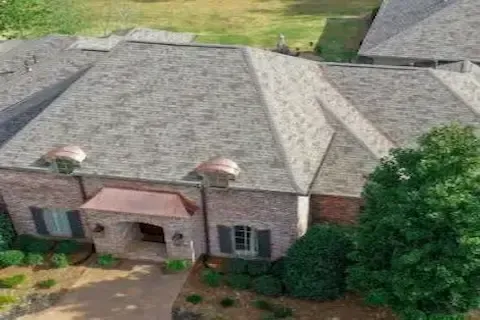
Full residential roof replacement for Maple Grove's 1990s and 2000s housing stock — permitted, inspected, and built for Minnesota winters.
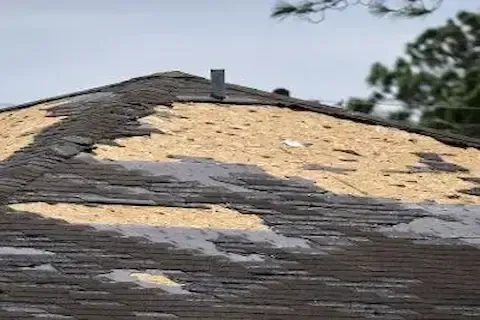
Fast storm damage assessment and roof repair for Maple Grove homeowners — with full insurance claim documentation included.
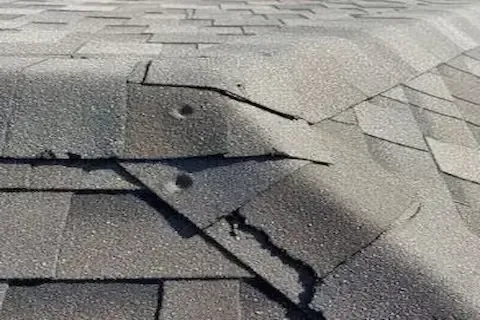
Hail damage assessment and repair for Maple Grove homeowners — with insurance documentation that protects your claim value.
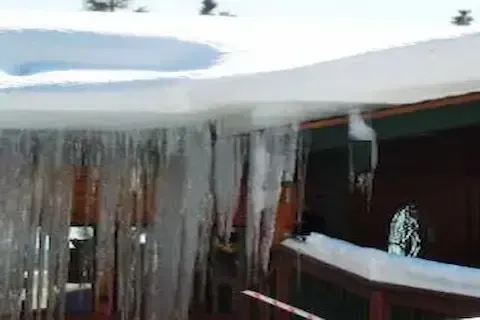
Ice dam prevention through proper attic ventilation, insulation, and membrane systems — not just removal after the damage is done.
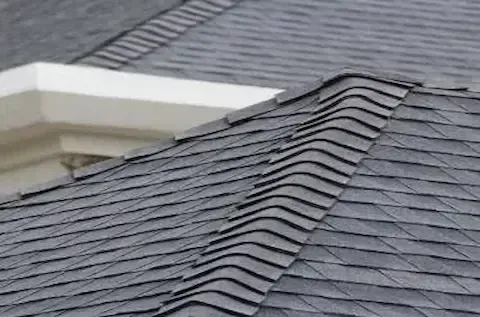
Asphalt shingle installation for Maple Grove homes — architectural and Class 4 options installed to manufacturer warranty spec.
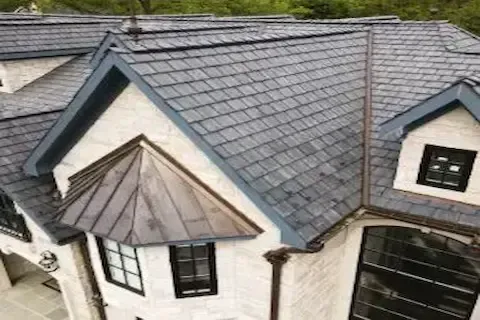
Class 4 impact-resistant shingles for Maple Grove homes — with the insurance certification documentation that actually delivers your carrier discount.
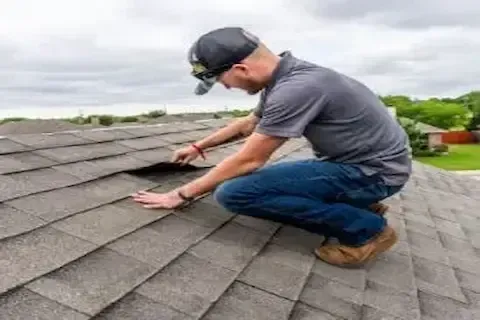
Professional roof inspections for Maple Grove homeowners — thorough, documented, and honest about what your roof actually needs.
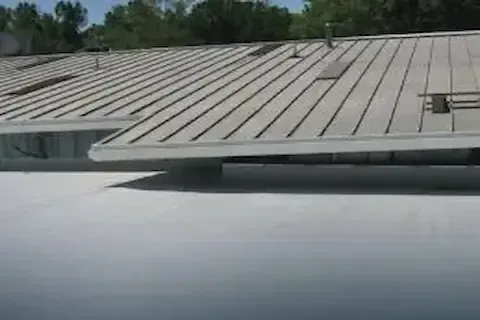
TPO and modified bitumen flat roofing for Maple Grove garages, additions, and HOA structures — built for Minnesota's cold-weather performance requirements.
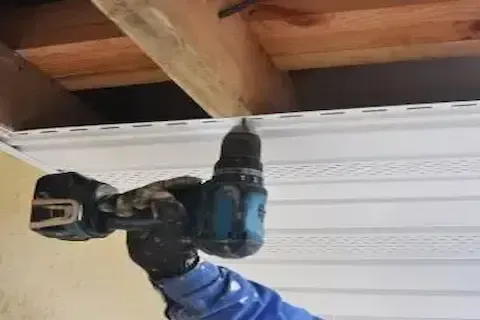
Fascia, soffit, and gutter system installation for Maple Grove homes — combined with roof replacement to ensure a fully sealed and properly draining exterior.
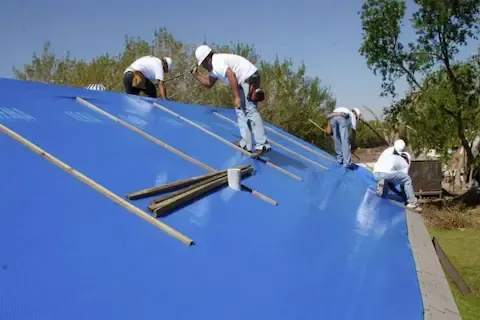
Emergency roof tarping and temporary repair for Maple Grove homeowners — fast response, full damage documentation, and priority scheduling for permanent repair.
Frequently Asked Questions
Residential Roofing can be complex, and we’re here to provide answers to common questions. Here are some frequently asked questions from our clients.
Frequently Asked Questions about Roofing Contractor Maple Grove MN
How do I know if my Maple Grove roof needs replacement or repair?
Most Maple Grove homes built between 1990 and 2005 are now 20 to 30 years old — right at the point where asphalt shingles start failing. We inspect the decking, flashing, and granule loss to give you an honest replacement vs. repair call before small problems become expensive ones.
How often should I get a roof inspection in Minnesota?
Cost in Brooklyn Park comes down to square footage, roof pitch, how many layers come off, and the shingle line you choose. Asphalt architectural shingles are the most common choice here given Minnesota's freeze-thaw cycles, and metal costs more upfront but carries a longer lifespan - a real consideration for 1980s south Brooklyn Park homes entering their first replacement window. We measure and inspect first, then give you a firm written quote rather than a ballpark that moves after tear-off.
Do I need a permit to replace my roof in Maple Grove?
Maple Grove residential roof replacements require a permit through the city. We pull all Hennepin County permits, schedule the required inspections, and handle the paperwork — you don't have to coordinate anything with the building department.
What are Class 4 shingles and do they lower insurance costs?
Class 4 impact-resistant shingles are rated to withstand 2-inch hail strikes without cracking. Several Hennepin County insurance carriers offer a documented premium discount — typically 15 to 30 percent — for homes with Class 4 shingles. We provide the certification documentation your carrier requires.
How long does a roof replacement take in Maple Grove?
Most complete residential replacements in Maple Grove take one to two days depending on roof size, pitch, and whether decking repairs are needed. We stage materials the evening before so work starts early and your home is fully weatherproofed before we leave.
Can you help with my insurance claim after a hail storm?
We work with all major carriers. We document the damage thoroughly — photos, measurements, material samples — so your adjuster has everything needed to process the claim. We also do supplemental requests if the initial estimate misses items, which is common after significant hail events.
Need Residential Roofing?
What Our Satisfied Clients Have to Say About Maple Grove Roofing Pros
We pride ourselves on delivering great results and experiences for each client. Hear directly from home and business owners who’ve trusted us with their Residential Roofing needs.

We had a 28-year-old roof on a 1995 build in the Elm Creek area. They came out, gave us a straight assessment, and had it replaced in one day. The permit inspection passed first visit. No drama.
Mark Hendrickson
We went with Class 4 shingles based on their recommendation. My insurance agent confirmed the discount was applied. That's the kind of advice that actually saves you money — not just an upsell.
Sandra Kowalski
Called them after the June hail event. They were on-site the next morning, documented everything we needed for the claim, and handled the supplement when the adjuster initially underestimated the damage. Got a full replacement approved.
Jim Larson
The Trusted Residential Roofing Expert Near You
Ready to hear more about expert services at Maple Grove Roofing Pros?
Contact us today to receive a detailed, no-obligation quote.

Maple Grove & the Twin Cities metro
Monday-Friday: 9am-5pm, Saturday: 11am-3pm
