
The Roofing Contractor Rogers Homeowners Call When It's Time to Replace
Rogers Homes Reaching Their First Full Replacement Cycle
Rogers has seen substantial residential development along the I-94 corridor since the early 2000s, with neighborhoods built primarily between 2002 and 2015 now reaching the stage where roofing systems require serious attention. Many of these homes were built during a period of rapid suburban expansion, meaning asphalt shingle systems specified for a 20-25 year lifecycle are approaching or entering that replacement window now. The open terrain around Rogers — fewer mature tree canopies than older Twin Cities suburbs — means roofs absorb more direct UV degradation and face stronger wind exposure during storm events. Freeze-thaw cycling in the northwest metro adds consistent mechanical stress to ridge caps, flashings, and valley seams year after year. Ice dam formation is common on homes where attic insulation packages were specified at minimum code rather than for long-term performance. Spring hail events from cells tracking along the I-94 corridor regularly produce granule loss that isn't visible from the ground but shows clearly in gutters and on ridge caps during a thorough inspection. Homeowners in Rogers are increasingly confronting replacement decisions that weren't anticipated when these homes were built — the assumption that a 2005 shingle installation would last 25 years hasn't always played out against Minnesota's weather intensity. Properties on more exposed lots toward the northwest fringes of development have faced accelerated wear from prevailing winter winds. For houses approaching 18-22 years on their original shingle system, the practical question isn't whether replacement is coming — it's whether deferred replacement allows secondary damage to decking, fascia, and gutters that compounds the overall project cost. Proactive assessment before the next storm season identifies which systems can be monitored through another year and which need to be scheduled now.
Material Selection and Attic Performance in Rogers
Roofing systems in Rogers are subject to the same northwest metro freeze-thaw dynamics that drive maintenance costs across Hennepin County, but the newer construction profile here means many owners are making their first full replacement decision rather than a second or third one. That first replacement creates a significant decision window around material selection — the same-shingle replacement that was standard in 2005 often isn't the most practical choice today. Class 4 impact-resistant shingles, which carry documented insurance discount eligibility with major carriers in this market, represent a meaningful cost-benefit consideration for homes in the hail corridor that Rogers falls within. The upgrade from entry-level architectural to a Class 4 system adds modest upfront cost but changes the insurance premium and future storm-damage calculus significantly. Attic ventilation and insulation conditions also matter more in newer Rogers homes than homeowners typically expect. Many 2000s-era builds were constructed to minimum code ventilation standards that work adequately in average winters but become problematic during the sustained cold periods that allow ice dams to develop. If the attic thermal envelope hasn't been assessed since original construction, a roofing project is the right time to address it — installing a new shingle system over an inadequate ventilation configuration shortens the effective service life of the new roof. Addressing both during a planned replacement adds modest cost compared to revisiting the attic as a separate project after the roof warranty is already active. This is a decision point that comes once; getting the sequence right matters considerably for long-term system performance and total project value.
Residential Roof Replacement
Roof replacement in Rogers follows the same fundamental lifecycle as the rest of the northwest metro, but the concentration of homes built between 2000 and 2012 creates a distinctive pattern — a large cohort of properties hitting the 18-22 year mark simultaneously. Asphalt shingle systems installed during that period were typically 25-year warranted architectural products, but warranty language covers manufacturing defects, not performance degradation from Minnesota climate stress. The actual service life of these systems varies significantly based on attic ventilation, installation quality, and storm exposure history. Homes that have experienced two or more significant hail events since installation often show decking damage that is invisible from the ground but creates water infiltration risk. A residential replacement project in Rogers involves more than shingle removal and reinstallation. Decking condition should be assessed board by board as the old system comes off — partially saturated OSB from slow moisture infiltration at flashings is common on systems approaching 20 years. Valley flashing, boot flashings around all penetrations, and ridge ventilation all require replacement or inspection rather than assumption of continued serviceability. Soffit and fascia condition should be reviewed during the same site visit — damaged fascia behind the gutter line often signals water has been running behind the drip edge for an extended period. Getting a complete assessment of secondary systems during a replacement project prevents return visits for problems that were visible when the roof was open and addressable at that time.
Storm Damage & Hail Assessment
The I-94 corridor through Rogers sits within a storm track that generates consistent hail exposure in the northwest metro. Cells that form south and west of the Twin Cities frequently intensify as they approach this area, and the relatively open terrain means less wind shear disruption before hail reaches roof surfaces. For homeowners who experienced a significant storm event in the last 12-24 months without getting a professional assessment, the practical risk is twofold: deferred damage claims may fall outside insurance filing windows, and unaddressed impact damage accelerates shingle aging by compromising the protective granule layer. Hail damage on residential roofing isn't always identifiable without knowing what to look for. Impact marks on soft metals — step flashing, ridge caps, gutter aprons — are often clearer indicators of storm severity than the shingle surface itself, which can show substrate bruising that isn't visible in ambient light. Impact on architectural shingles creates a depression in the mat that allows water to work under the granule surface over time. Documenting damage requires a systematic approach: photo documentation by quadrant, soft metal inspection for impact density, and interior inspection if attic evidence of water infiltration is present. Insurance carriers handling northwest metro claims require thorough documentation — incomplete assessment typically results in lower initial settlements that require supplemental filings to address the full scope of work.
Roof Inspection Services
Properties in Rogers benefit from structured roof inspections at two points in the annual cycle: spring, following ice dam and freeze-thaw season, and early fall before winter loading begins. Spring inspection priorities focus on flashing integrity after the mechanical stress of winter expansion and contraction cycles, valley condition where ice dam formation creates sustained moisture exposure, and granule accumulation in gutters as an indicator of accelerated surface degradation. These indicators don't require an active leak to be actionable — they identify systems trending toward failure rather than already failing, which creates meaningful lead time for scheduling replacement outside peak demand periods. Fall inspections in Rogers are particularly relevant for homes where attic insulation hasn't been assessed recently. Roof decking temperature differentials — the root cause of ice dam formation — are best addressed before cold weather locks in. An inspection that identifies inadequate attic insulation before November gives homeowners the option to address it proactively rather than responding to ice dam damage mid-February. Inspections should cover all roof penetrations, since vent boot flashings and chimney counterflashing are among the most common sources of slow water infiltration on aging systems. For properties approaching 15 years on original shingles, a documented inspection creates a baseline condition record that supports future insurance claims and informs replacement timing decisions before a forced emergency response becomes necessary.
Comprehensive Residential Roofing Services in Maple Grove
Tailored to Your Needs
From full residential roof replacement to storm damage repair, hail assessments, ice dam prevention, and emergency response — we handle the complete scope of residential roofing for Maple Grove homeowners and surrounding west metro communities.
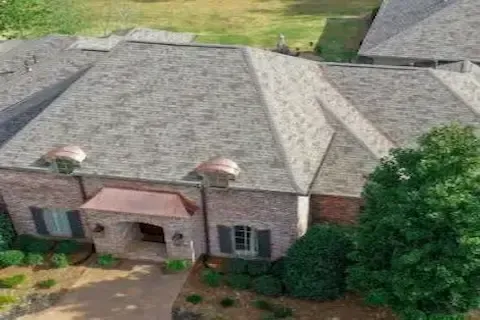
Full residential roof replacement for Maple Grove's 1990s and 2000s housing stock — permitted, inspected, and built for Minnesota winters.
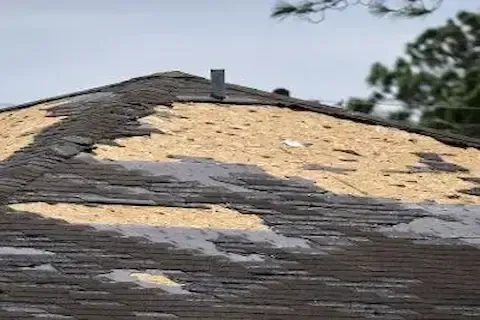
Fast storm damage assessment and roof repair for Maple Grove homeowners — with full insurance claim documentation included.
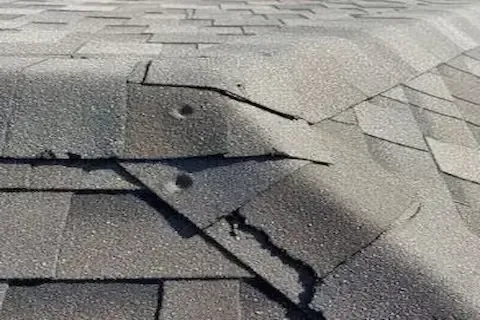
Hail damage assessment and repair for Maple Grove homeowners — with insurance documentation that protects your claim value.
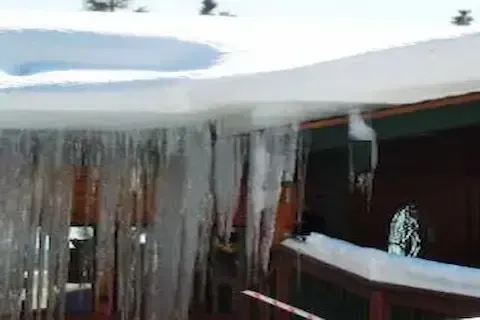
Ice dam prevention through proper attic ventilation, insulation, and membrane systems — not just removal after the damage is done.
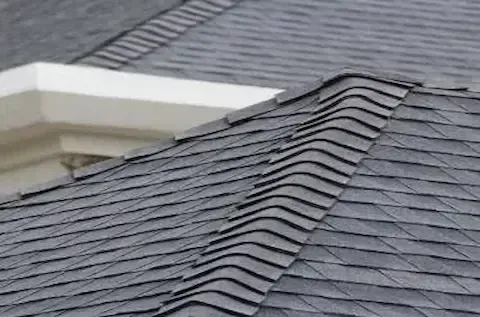
Asphalt shingle installation for Maple Grove homes — architectural and Class 4 options installed to manufacturer warranty spec.
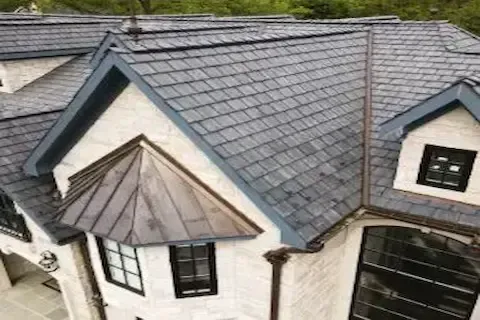
Class 4 impact-resistant shingles for Maple Grove homes — with the insurance certification documentation that actually delivers your carrier discount.
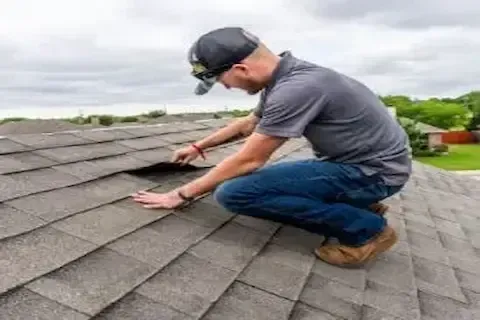
Professional roof inspections for Maple Grove homeowners — thorough, documented, and honest about what your roof actually needs.
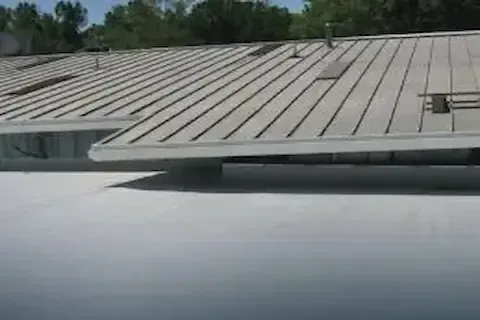
TPO and modified bitumen flat roofing for Maple Grove garages, additions, and HOA structures — built for Minnesota's cold-weather performance requirements.
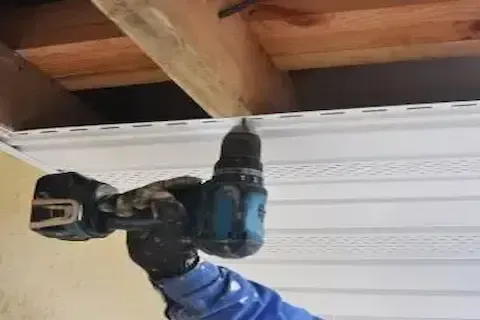
Fascia, soffit, and gutter system installation for Maple Grove homes — combined with roof replacement to ensure a fully sealed and properly draining exterior.
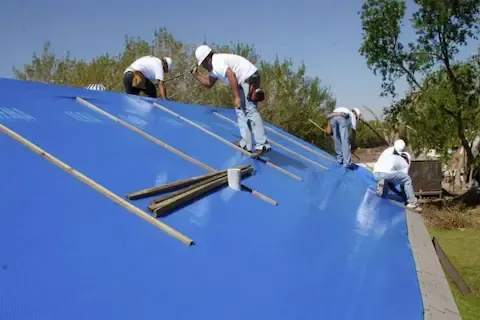
Emergency roof tarping and temporary repair for Maple Grove homeowners — fast response, full damage documentation, and priority scheduling for permanent repair.
Frequently Asked Questions
Residential Roofing can be complex, and we’re here to provide answers to common questions. Here are some frequently asked questions from our clients.
Frequently Asked Questions about Roofing Contractor Maple Grove MN
How do I know if my Maple Grove roof needs replacement or repair?
Most Maple Grove homes built between 1990 and 2005 are now 20 to 30 years old — right at the point where asphalt shingles start failing. We inspect the decking, flashing, and granule loss to give you an honest replacement vs. repair call before small problems become expensive ones.
How often should I get a roof inspection in Minnesota?
Cost in Brooklyn Park comes down to square footage, roof pitch, how many layers come off, and the shingle line you choose. Asphalt architectural shingles are the most common choice here given Minnesota's freeze-thaw cycles, and metal costs more upfront but carries a longer lifespan - a real consideration for 1980s south Brooklyn Park homes entering their first replacement window. We measure and inspect first, then give you a firm written quote rather than a ballpark that moves after tear-off.
Do I need a permit to replace my roof in Maple Grove?
Maple Grove residential roof replacements require a permit through the city. We pull all Hennepin County permits, schedule the required inspections, and handle the paperwork — you don't have to coordinate anything with the building department.
What are Class 4 shingles and do they lower insurance costs?
Class 4 impact-resistant shingles are rated to withstand 2-inch hail strikes without cracking. Several Hennepin County insurance carriers offer a documented premium discount — typically 15 to 30 percent — for homes with Class 4 shingles. We provide the certification documentation your carrier requires.
How long does a roof replacement take in Maple Grove?
Most complete residential replacements in Maple Grove take one to two days depending on roof size, pitch, and whether decking repairs are needed. We stage materials the evening before so work starts early and your home is fully weatherproofed before we leave.
Can you help with my insurance claim after a hail storm?
We work with all major carriers. We document the damage thoroughly — photos, measurements, material samples — so your adjuster has everything needed to process the claim. We also do supplemental requests if the initial estimate misses items, which is common after significant hail events.
Need Residential Roofing?
What Our Satisfied Clients Have to Say About Maple Grove Roofing Pros
We pride ourselves on delivering great results and experiences for each client. Hear directly from home and business owners who’ve trusted us with their Residential Roofing needs.

We had a 28-year-old roof on a 1995 build in the Elm Creek area. They came out, gave us a straight assessment, and had it replaced in one day. The permit inspection passed first visit. No drama.
Mark Hendrickson
We went with Class 4 shingles based on their recommendation. My insurance agent confirmed the discount was applied. That's the kind of advice that actually saves you money — not just an upsell.
Sandra Kowalski
Called them after the June hail event. They were on-site the next morning, documented everything we needed for the claim, and handled the supplement when the adjuster initially underestimated the damage. Got a full replacement approved.
Jim Larson
The Trusted Residential Roofing Expert Near You
Ready to hear more about expert services at Maple Grove Roofing Pros?
Contact us today to receive a detailed, no-obligation quote.

Maple Grove & the Twin Cities metro
Monday-Friday: 9am-5pm, Saturday: 11am-3pm
